




What is an LQNA Wallet?
An LQNA wallet is a digital interface designed to interact with the Liquidity Network Alliance (LQNA) protocol. As a decentralized finance protocol operating on the EVM (Ethereum Virtual Machine) blockchain, LQNA is designed to enhance liquidity efficiency across blockchain ecosystems. It facilitates secure asset management and optimized yield strategies for Web3 users, often integrated with major wallets like Bitget Wallet. Because LQNA functions within the EVM ecosystem, a compatible wallet is essential for executing smart contracts, managing your private keys, and interacting with the decentralized applications (dApps) that power the protocol.
Download Bitget LQNA Wallet
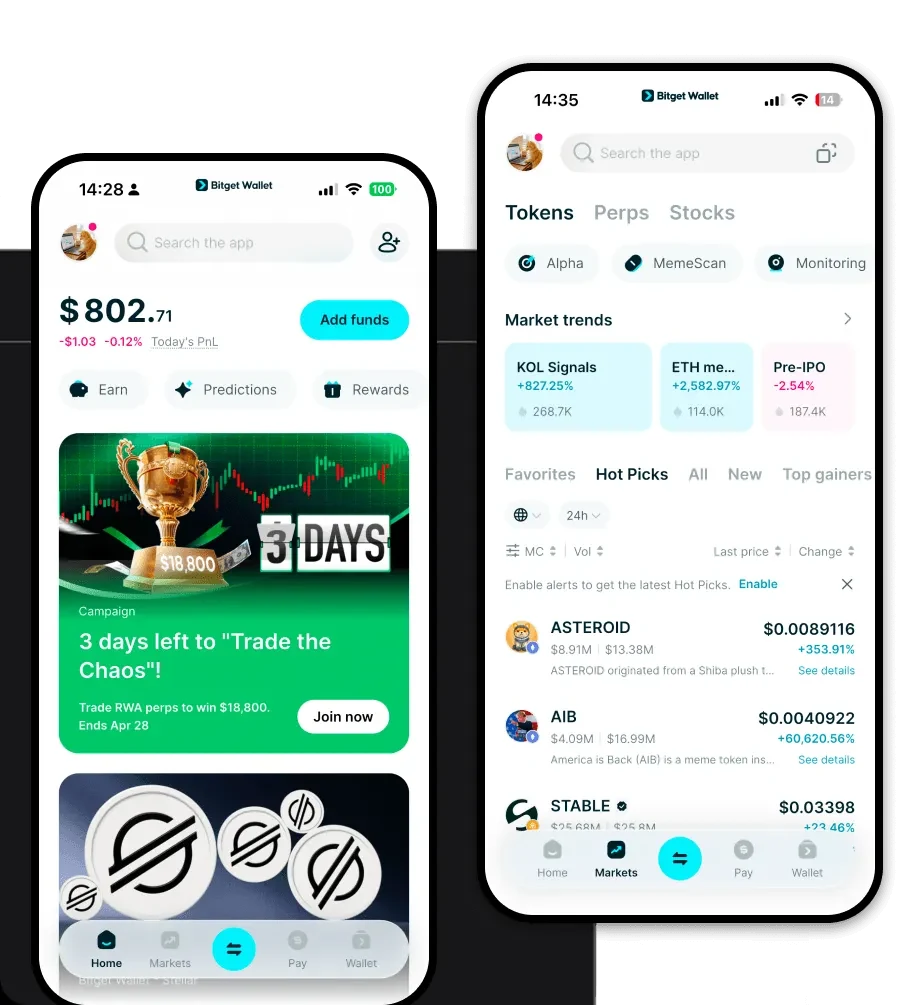
If you are looking to manage your digital assets with maximum flexibility, you should download Bitget Wallet. This platform provides a seamless experience for users who require non-custodial control over their assets. Whether you are using a mobile device or a desktop browser, Bitget Wallet ensures your private keys remain in your hands, not on a centralized server. It supports hundreds of thousands of tokens across 130+ blockchains, making it the perfect gateway for LQNA. With versions available for iOS, Android, and as a browser extension, you can manage your DeFi portfolio wherever you go.
Why Choose Bitget LQNA Wallet?
Choosing the right wallet for DeFi activities is crucial, especially when dealing with protocols like LQNA. Here is why Bitget Wallet stands out for EVM-based DeFi users:
- Native EVM Compatibility: Bitget Wallet is built to interact flawlessly with EVM chains, meaning you can execute complex DeFi transactions without worrying about compatibility issues.
- Advanced Gas Fee Management: Optimize your transaction costs with intelligent gas estimation tools, ensuring your yield farming activities remain profitable even during high network congestion.
- Seamless DeFi Integration: Access the LQNA protocol directly through the integrated dApp browser, eliminating the need to constantly switch between your wallet and external websites.
- Robust Security Architecture: With an audited infrastructure and a $300 million user protection fund, Bitget Wallet provides a fortified environment for your high-value assets.
- Aggregated Liquidity Access: Leverage the wallet's built-in DEX aggregator to find the best swap rates across the entire ecosystem before deploying your assets into LQNA pools.
How to Create an LQNA Wallet
Setting up your wallet is a straightforward process that grants you full ownership of your assets. Follow these steps:
- Download and Install: Visit the official Bitget Wallet website and download the application for your preferred device (iOS, Android, or Browser Extension).
- Create a New Wallet: Open the app and select 'Create Wallet'. Ensure you are in a private environment where no one can see your screen.
- Backup Your Seed Phrase: The app will generate a 12-word recovery phrase. Write this down on paper and store it in a safe, offline location. Never share this phrase with anyone.
- Verify Compatibility: Since LQNA is an EVM token, ensure your wallet is set to the correct network (e.g., Ethereum or BNB Chain) by toggling the network settings in the main dashboard.
- Import or Receive LQNA: Once set up, copy your wallet address from the main screen to receive LQNA tokens or import your existing address using your private key if you are migrating from another wallet.
What Can You Do With an LQNA Wallet?
An LQNA wallet is more than just a storage tool; it is your gateway to participating in the Liquidity Network Alliance ecosystem. Here is how you can use it:
- Staking: Lock your tokens within the protocol to participate in network security and earn passive rewards, directly managed through your wallet interface.
- Providing Liquidity: Deposit your assets into LQNA liquidity pools to earn trading fees, helping to stabilize the ecosystem while growing your holdings.
- Yield Farming: Utilize your wallet to connect to various yield farms, where you can optimize your returns through automated strategies designed by the protocol.
- Governance Voting: Participate in the future of the platform by using your wallet to cast votes on decentralized governance proposals, ensuring your voice is heard in the DAO.
- Cross-chain Asset Swapping: Use the wallet's built-in cross-chain functionality to exchange assets seamlessly between different blockchains, ensuring your LQNA can be moved efficiently across the DeFi landscape.
How LQNA Wallets Are Different from Other Crypto Wallets
Not all wallets are created equal, especially when dealing with EVM-based DeFi protocols. Unlike Bitcoin wallets that rely on the UTXO (Unspent Transaction Output) model, an LQNA-compatible wallet uses the Account-based model. This is critical for DeFi because it allows for smart contract interactions and state changes that UTXO wallets cannot handle natively. Furthermore, because LQNA operates on EVM chains, your wallet must be optimized for gas fee management and dApp connectivity. While a basic wallet might just hold tokens, an LQNA-focused wallet acts as a sophisticated tool for managing complex smart contract approvals, yield optimization, and decentralized governance interactions, offering a level of utility that standard wallets often lack.
