




1. What is a MEL Wallet?
A MEL wallet is a specialized digital interface designed to interact with the MEL token on the EVM (Ethereum Virtual Machine) blockchain. Because MEL operates within the EVM ecosystem, it requires a wallet that can handle smart contract interactions, token standards, and decentralized network protocols with high precision. Managing your assets effectively requires a secure, non-custodial environment where you maintain full control over your private keys.
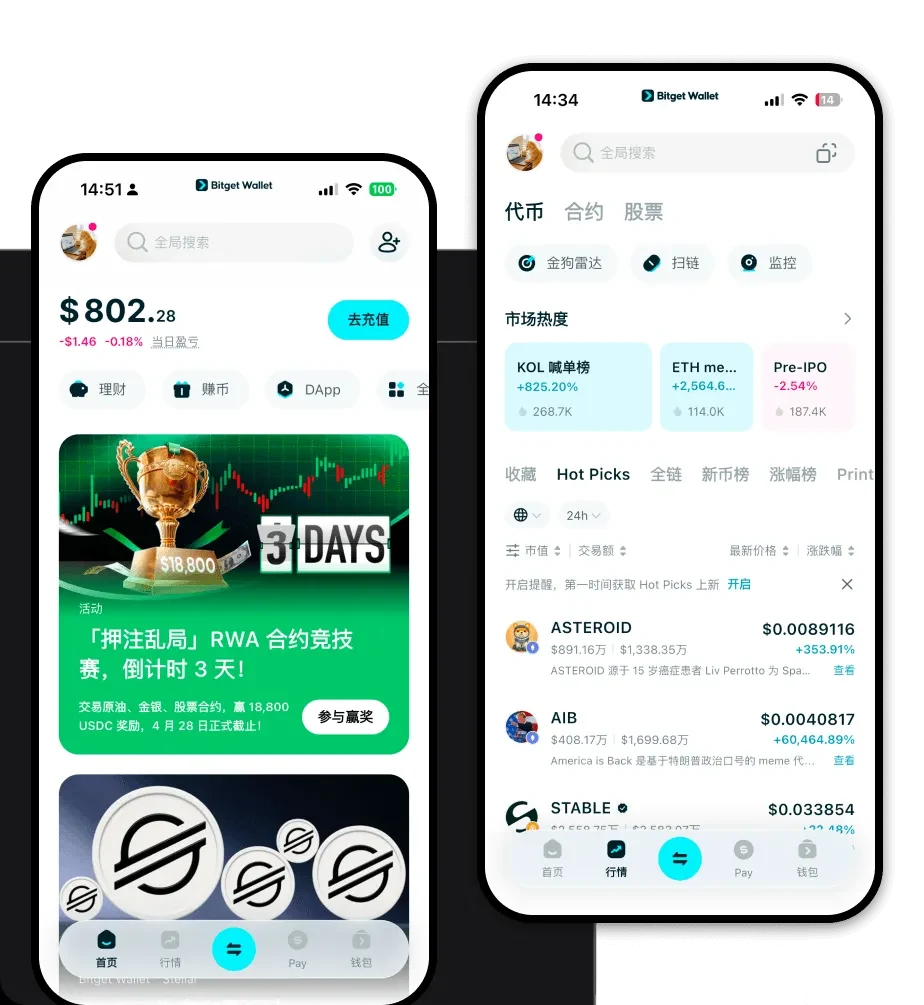
Are you looking for a reliable and secure crypto wallet for your MEL? Bitget Wallet will be your best choice. Trusted by 40 million users, you can freely explore Web3 on Bitget Wallet. Start your journey now!
2. Download Bitget MEL Wallet
To begin managing your MEL, you need a robust, multi-chain application that prioritizes user experience and security. Bitget Wallet provides a seamless bridge into the Web3 world, allowing you to manage your assets across mobile and desktop environments. Whether you are an iOS user, an Android enthusiast, or a browser extension power user, the platform is optimized for your device.
You can download Bitget Wallet to experience a non-custodial environment where you retain total ownership of your private keys. The wallet simplifies the onboarding process, letting you import existing addresses or create new ones in seconds. With support for over 130+ blockchains, it is the only app you need to manage your MEL alongside a diverse portfolio of other digital assets.
3. Why Choose Bitget MEL Wallet?
Choosing the right wallet for an EVM-based token like MEL is critical, especially when interacting with DeFi protocols. Bitget Wallet is engineered specifically to address the complexities of the current blockchain landscape:
- Seamless EVM Compatibility: Bitget Wallet is fully compatible with the Ethereum Virtual Machine, ensuring that you can connect to any decentralized application or liquidity protocol without configuration issues. It mirrors the familiar functionality of MetaMask while adding enhanced features.
- Advanced Gas Fee Optimization: Dealing with EVM transaction costs can be unpredictable. The wallet provides real-time gas fee tracking and estimation, helping you execute transactions at the most cost-effective moments to avoid unnecessary slippage.
- Robust Smart Contract Security: With a dedicated 300 million USD user protection fund, Bitget Wallet adds a layer of security for users interacting with smart contracts, helping to mitigate risks associated with malicious dApps.
- Decentralized Liquidity Integration: The wallet aggregates hundreds of DEXs and cross-chain bridges, ensuring that you get the best market rates when swapping your MEL, regardless of which pool provides the liquidity.
- Low Transaction Latency: Designed for high-speed interaction, the wallet ensures that your signed transactions are broadcast to the network instantly, reducing the chances of failed transactions during high-traffic periods.
4. How to Create a MEL Wallet
Setting up your wallet is a straightforward process designed to secure your assets while remaining user-friendly. Follow these five steps to get started:
1. Download and Install: Visit the official website to download Bitget Wallet for your specific device (iOS, Android, or Browser Extension).
2. Initialize Your Account: Open the app and select 'Create a New Wallet'. You will be asked to set a strong, unique password for your local device security.
3. Secure Your Recovery Phrase: The app will generate a 12 or 24-word seed phrase. Write this down on physical paper and store it in a safe location. Never share this phrase online, as it is the master key to your MEL assets.
4. Add MEL to Your Dashboard: Since MEL operates on the EVM, you can simply search for the token within the wallet's 'Add Token' interface. If it is a custom token, you can manually input the contract address to view your balance.
5. Verify Connectivity: Once set up, your wallet address is ready to receive tokens. You can now use this address to deposit MEL from any exchange or other wallet.
5. What Can You Do With a MEL Wallet?
Owning a MEL wallet opens the door to the full spectrum of DeFi activities. Because the wallet is built for active participants, you can do more than just hold your tokens:
- Staking: You can participate in staking programs directly through the wallet interface, allowing you to lock your MEL tokens to earn passive rewards and contribute to network security.
- Liquidity Provision: By connecting your wallet to decentralized exchanges, you can provide MEL to liquidity pools, earning a share of the transaction fees generated by other users swapping in the pool.
- Token Swapping: Utilize the built-in DEX aggregator to perform seamless token swapping, allowing you to exchange MEL for other assets like ETH or stablecoins without leaving the wallet app.
- Yield Farming: You can engage in complex yield farming strategies by allocating your MEL into various protocols, optimizing your returns by moving capital between different high-yield pools.
- Governance Voting: If MEL has a DAO component, you can use your wallet to sign governance proposals, allowing you to cast your vote on the future direction of the project directly from your mobile device.
6. How MEL Wallets Are Different from Other Crypto Wallets
Understanding the difference between wallet types is essential for managing EVM-based assets. Unlike Bitcoin wallets that utilize the UTXO (Unspent Transaction Output) model, a MEL wallet operates on an Account-based model. This is a critical distinction for DeFi users.
In an EVM-based wallet, your balance is stored as a single state variable linked to your address, which allows for complex smart contract interactions. This is why Bitget Wallet is superior for MEL; it is optimized to handle the 'state' of the network, ensuring that your approvals, allowances, and smart contract interactions are processed correctly. Furthermore, while some wallets struggle with gas fee management, Bitget provides an intuitive interface to handle the nuances of EVM transactions, ensuring your fees are spent efficiently rather than wasted on slow, stuck, or failed transactions. The integration of cross-chain bridges also means you are not siloed into a single network, providing a more fluid experience than legacy, single-chain wallets.
