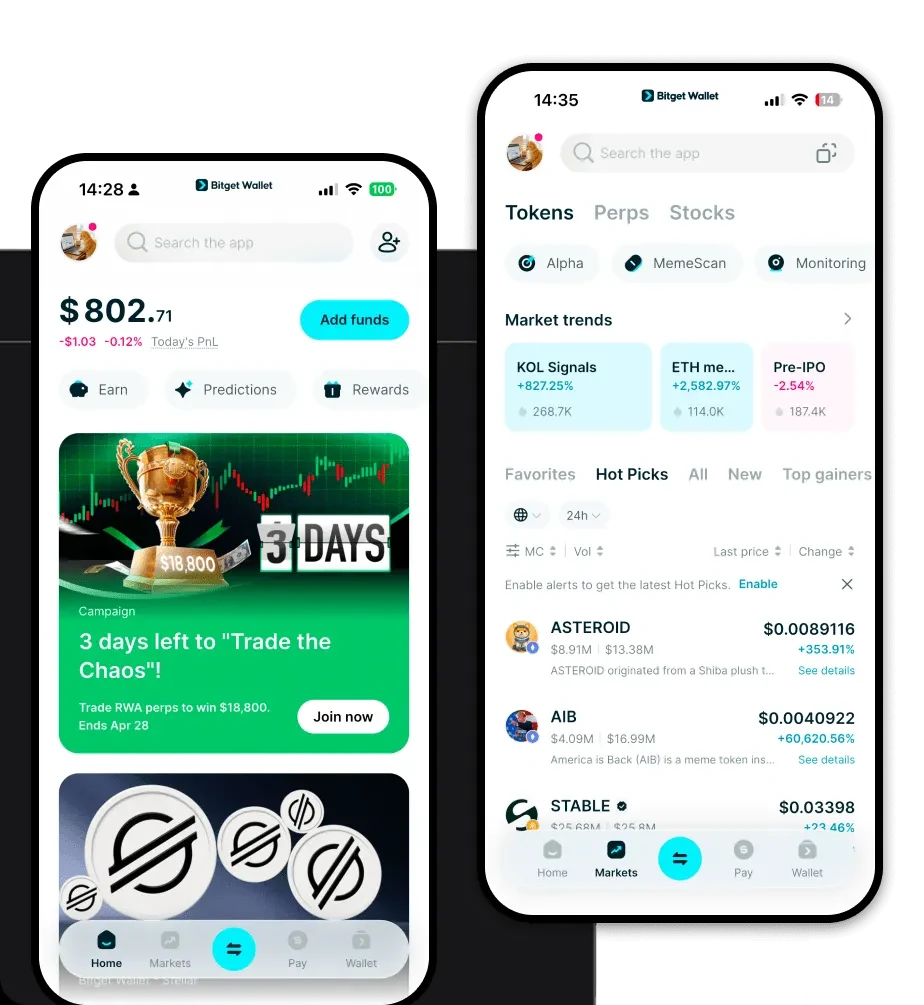
1. What is a ntoc Wallet? A ntoc wallet is a specialized digital interface designed to interact with the NTOC token, which operates primarily within the EVM (Ethereum Virtual Machine) ecosystem. Because NTOC is built on EVM-compatible architecture, it requires a wallet that can handle smart contract interactions, manage gas fees efficiently, and display token balances across various decentralized applications. NTOC is a digital asset supported by Bitget Wallet, designed for users to explore the Web3 ecosystem securely. Bitget Wallet provides a reliable platform for managing, trading, and interacting with NTOC within its decentralized financial environment. By utilizing an EVM-compatible wallet, users ensure that their NTOC holdings remain accessible across the broader DeFi landscape, from decentralized exchanges to complex liquidity protocols. 2. Download Bitget ntoc Wallet Finding the right ntoc wallet app is crucial for your security. Bitget Wallet offers a comprehensive solution that bridges the gap between complex blockchain technology and user-friendly design. Whether you are using an iOS device, an Android smartphone, or a desktop browser extension, the wallet provides a unified experience. It is fully self-custodial, meaning you maintain complete control over your private keys and seed phrases, ensuring that no third party can access your funds. To get started, you can download Bitget Wallet via the official portal at https://web3.bitget.com/zh-CN/wallet-download. The installation process is streamlined to support multi-chain operations, allowing you to manage NTOC alongside other assets without the need for multiple, fragmented wallet applications. 3. Why Choose Bitget ntoc Wallet? Choosing the right environment for your tokens is essential, especially within the fast-paced DeFi sector. Bitget Wallet stands out for several reasons: * EVM Compatibility: Since NTOC is an EVM-based asset, Bitget Wallet is optimized for seamless smart contract interaction, ensuring that you can approve transactions and interact with DApps without compatibility issues. * Low Transaction Fees: The wallet’s smart routing engine helps identify the most cost-effective paths for your transactions, which is vital for maintaining profitability when engaging in frequent DeFi activities. * Cross-Platform Interoperability: Whether you are on the move with your phone or working at a desk, the wallet synchronizes perfectly across mobile and browser environments. * Secure Asset Custody: With an industry-leading user protection fund of over 300 million USD, Bitget Wallet adds an extra layer of security that goes beyond simple private key management. * High Liquidity Support: The wallet aggregates data from hundreds of decentralized exchanges, ensuring that when you trade NTOC, you are getting access to deep liquidity and competitive market rates. 4. How to Create a ntoc Wallet Creating a wallet for your assets is a simple process, but it requires attention to detail to ensure maximum security. Follow these steps: First, download and install the Bitget Wallet application from the official source. Second, launch the app and select 'Create a New Wallet' to generate a fresh set of credentials. Third, you will be prompted to back up your recovery phrase; write this down on paper and store it in a secure, offline location, as this is the only way to recover your funds. Fourth, once your wallet is set up, navigate to the asset management section and search for NTOC to add it to your visible token list. Finally, you can now copy your receiving address to start sending and receiving NTOC tokens securely. 5. What Can You Do With a ntoc Wallet? A ntoc wallet acts as your gateway to the DeFi ecosystem. Here is how you can utilize your NTOC tokens: * Trading on decentralized exchanges: You can swap NTOC for other tokens directly within the Bitget Wallet interface, utilizing aggregated liquidity to ensure the best possible trade execution. * Holding for long-term value: Use the wallet as a secure vault for your long-term NTOC holdings, benefiting from self-custody that keeps your assets away from centralized exchange risks. * Cross-chain asset transfers: Easily move NTOC across different compatible chains using integrated bridge technology, allowing you to participate in ecosystems where NTOC might be utilized for different DeFi strategies. * Participating in liquidity pools: By connecting your wallet to decentralized finance protocols, you can stake your NTOC tokens in liquidity pools to earn potential yields and contribute to the network's decentralized nature. * Wallet-based asset management: Track your entire portfolio performance in real-time, visualizing your NTOC holdings alongside your other digital assets to make informed financial decisions. 6. How ntoc Wallets Are Different from Other Crypto Wallets The primary difference lies in the architecture of the underlying blockchain. Unlike non-EVM wallets, which might focus on UTXO (Unspent Transaction Output) models—like those used for Bitcoin—a ntoc wallet is built on an account-based model. This means your wallet functions more like a traditional bank account balance rather than a collection of 'coins' or 'inputs' and 'outputs.' Because of this, EVM wallets must handle 'Gas' fees, which are the computational costs required to execute smart contracts. A high-quality ntoc wallet, like Bitget Wallet, simplifies this by providing intuitive gas estimation and management tools. Furthermore, while UTXO wallets often prioritize simple transfers, an EVM-centric wallet is designed for complexity, allowing you to interact with DeFi protocols, yield farms, and governance DAOs, making it a much more active and versatile tool for the modern crypto user.