





What is a gdtm Wallet?
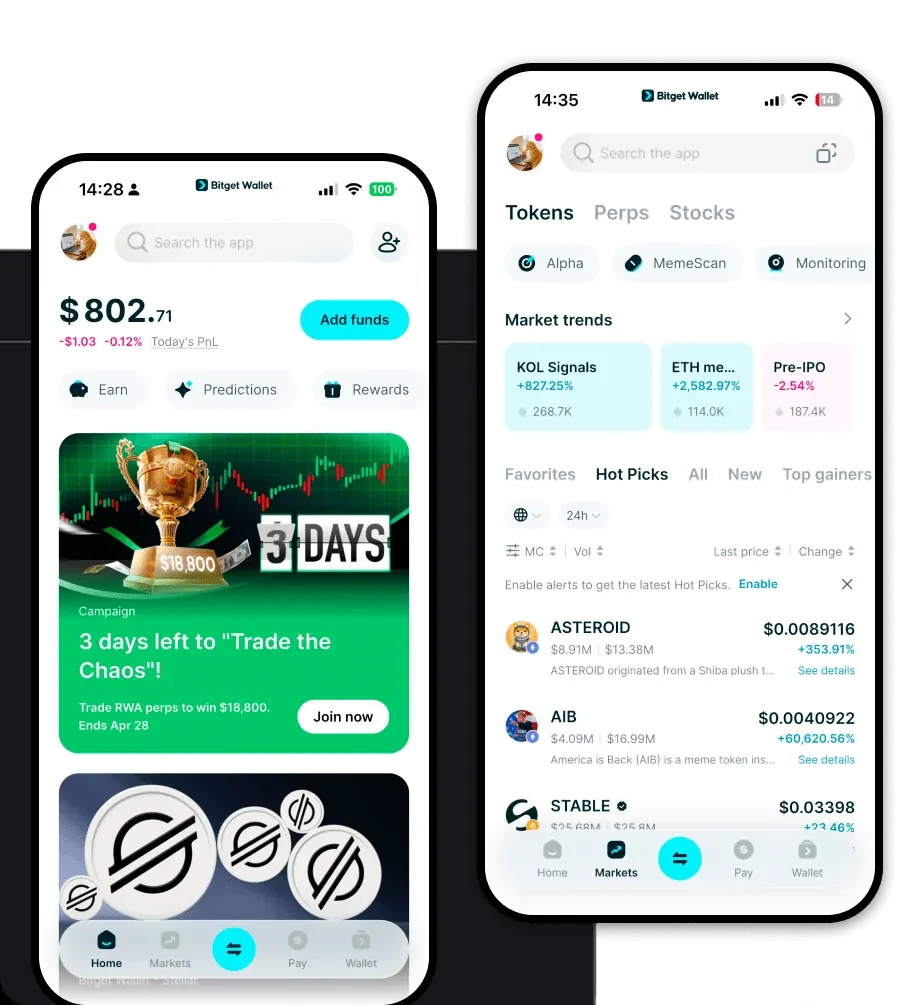
A gdtm wallet is a specialized digital interface that allows you to interact with the gdtm token, a community-driven digital asset built on EVM-compatible blockchains. Because gdtm operates within the Ethereum Virtual Machine (EVM) ecosystem, it requires a wallet that can seamlessly interpret smart contracts, manage gas fees, and interact with decentralized applications (dApps). Are you looking for a reliable and secure crypto wallet for your gdtm? Bitget Wallet will be your best choice. Trusted by 40 million users, you can freely explore Web3 on Bitget Wallet. Start your journey now!
Download Bitget gdtm Wallet
Getting started with your gdtm journey requires a robust tool that puts you in full control of your assets. Bitget Wallet offers a non-custodial solution, meaning you hold your own private keys and maintain total sovereignty over your funds. Whether you prefer managing your portfolio on the go or from your desktop, Bitget Wallet is available as a download Bitget Wallet mobile app for iOS and Android, or as a browser extension for Chrome and other major browsers. It is engineered to provide a seamless experience across multiple chains, ensuring that your gdtm tokens are always accessible whenever you need them.
Why Choose Bitget gdtm Wallet?
- Deep EVM Ecosystem Integration: Bitget Wallet is architected for EVM compatibility, ensuring you can interact with gdtm-related smart contracts and dApps without compatibility errors or complex configurations.
- Advanced Decentralized Trading: With built-in support for hundreds of DEXs, you can swap tokens directly within the wallet interface at the best available prices, perfect for high-liquidity meme tokens.
- Robust Security Architecture: Your assets are protected by top-tier security protocols and a $300 million user protection fund, mitigating risks associated with decentralized storage.
- Community-Centric Features: Stay ahead of the curve with real-time market data, trending meme token alerts, and easy tracking of community-driven projects.
How to Create a gdtm Wallet
Setting up your wallet to support gdtm is a straightforward process designed for both beginners and veterans:
- Install the App: Visit the official website to download Bitget Wallet and install it on your preferred device.
- Create a New Wallet: Open the app and select 'Create a Wallet'. Ensure you are in a private space.
- Backup Your Seed Phrase: Carefully write down your 12-word recovery phrase on paper and store it securely offline; never share this with anyone.
- Verify Phrase: Re-enter the phrase as prompted to confirm you have backed it up correctly.
- Add Token: Once your wallet is active, go to the asset management section, click the plus icon, and add gdtm using its contract address to ensure it appears in your dashboard.
What Can You Do With a gdtm Wallet?
- Trading: You can execute rapid swaps between gdtm and other assets directly within the Bitget Wallet interface, utilizing the aggregated liquidity of multiple DEXs.
- Holding: Securely store your gdtm tokens long-term in a self-custodial environment, knowing your assets are protected by industry-leading security standards.
- Speculative Investment: Leverage the wallet's real-time market insights to track price fluctuations and make informed decisions on when to enter or exit positions in the meme coin market.
- Portfolio Diversification: Use the wallet to manage a diverse collection of tokens, balancing your gdtm holdings with other EVM-based assets to optimize your overall crypto risk profile.
How gdtm Wallets Are Different from Other Crypto Wallets
Not all wallets handle gdtm tokens the same way. Unlike wallets designed for Bitcoin's UTXO (Unspent Transaction Output) model, a gdtm-compatible wallet like Bitget Wallet utilizes an Account-based model. This means your balance is tracked as a state variable in the blockchain, allowing for more complex interactions with smart contracts. While UTXO wallets are built for simple value transfer, your Bitget Wallet is optimized for the EVM environment, allowing you to pay gas fees in the native chain currency (like ETH or BNB) to execute trades. This architecture is essential for Meme tokens, where speed and interaction with decentralized liquidity pools are critical for success.
