





What is an FSM Wallet?
An FSM wallet is a specialized digital gateway designed to interface with the FSM cryptocurrency asset. Because FSM operates on the EVM (Ethereum Virtual Machine) blockchain architecture, it requires a wallet capable of interacting with smart contracts, decentralized applications (dApps), and the broader DeFi ecosystem. FSM is a cryptocurrency asset supported by major Web3 wallets like Bitget Wallet, allowing users to securely manage, trade, and explore its ecosystem. By utilizing an EVM-compatible wallet, users gain full control over their private keys, enabling them to participate in the decentralized economy without relying on centralized intermediaries.
Download Bitget FSM Wallet
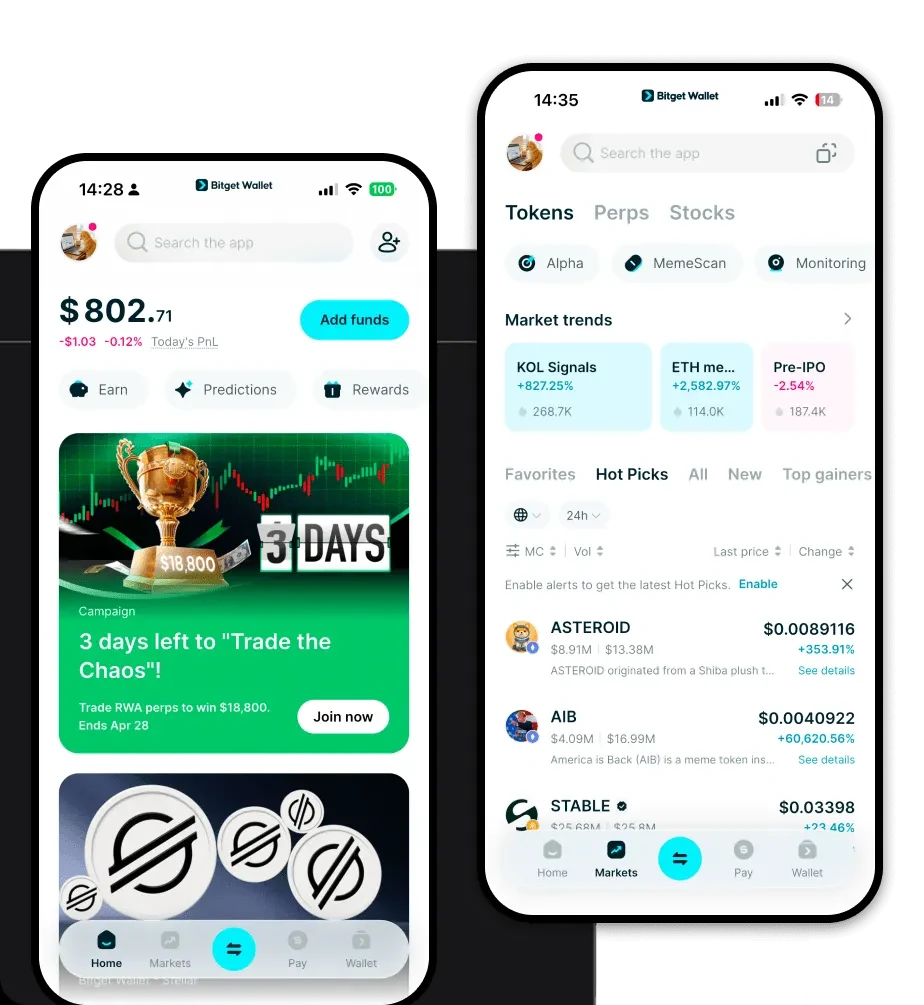
To begin your journey with FSM, you need a robust interface that bridges the gap between complex blockchain protocols and user-friendly experience. Bitget Wallet stands out as a premier choice, offering a seamless, non-custodial solution for all your asset management needs. Whether you are using an iPhone, an Android device, or prefer managing assets via a browser extension on your desktop, the platform provides a unified interface. With full multi-chain support, you aren't restricted to just one ecosystem; you can manage diverse portfolios alongside your FSM holdings. To get started, you can download Bitget Wallet and experience true self-custody where you are the sole owner of your private keys and seed phrases.
Why Choose Bitget FSM Wallet?
Choosing the right wallet for an EVM-based token like FSM is critical for security and efficiency. Bitget Wallet provides several distinct advantages:
- EVM Ecosystem Integration: As an EVM-native asset, FSM benefits from Bitget Wallet's deep integration with Ethereum and other EVM-compatible chains, ensuring instant compatibility with any DeFi protocol.
- Smart Contract Optimization: The wallet is engineered to interpret and execute smart contract transactions efficiently, reducing the risk of failed transactions during high network congestion.
- Advanced Security Infrastructure: With a dedicated $300 million user protection fund and robust encryption protocols, Bitget provides a high-security standard that protects your FSM assets from common online threats.
- Cross-Platform Interoperability: Seamlessly switch between mobile and desktop environments without needing to re-import your wallet, ensuring your FSM portfolio is always accessible.
- Gas Fee Management: The wallet provides real-time gas fee estimations and optimization suggestions, ensuring you can execute FSM trades at the most cost-effective times.
How to Create an FSM Wallet
Setting up your wallet is a straightforward process designed for both beginners and advanced users. Follow these steps to get started:
1. Download and Install: Visit the official website to download Bitget Wallet for your preferred device (iOS, Android, or Browser Extension).
2. Initialize Wallet: Open the app and select 'Create a New Wallet' to generate a unique set of seed phrases. Write these down offline and store them in a secure location; never share them with anyone.
3. Verify Recovery Phrase: Follow the on-screen instructions to confirm your backup phrase to ensure you have properly recorded it.
4. Add FSM Asset: Navigate to the asset management section, click the '+' icon, and search for 'FSM'. Toggle the switch to enable it in your main dashboard.
5. Receive Assets: Click on your FSM token listing to view your public wallet address. You can now use this address to deposit funds from exchanges or other wallets.
What Can You Do With an FSM Wallet?
An FSM wallet is more than just a storage container; it is your key to the decentralized finance world. Here are the primary use cases for your FSM tokens:
- Trading: You can engage in decentralized trading by connecting your wallet to aggregated DEXs, allowing you to swap FSM for other assets with minimal slippage.
- Staking: By interacting with FSM-supported smart contracts, you can stake your tokens to contribute to network security and earn yield rewards directly in your wallet.
- Portfolio Management: Use the built-in tracking tools to monitor the real-time performance, historical value, and distribution of your FSM holdings alongside other digital assets.
- Holding: Securely store your FSM long-term in a self-custodial environment, ensuring that your assets remain under your control until you decide to move or trade them.
How FSM Wallets Are Different from Other Crypto Wallets
Not all wallets are built the same, especially when dealing with EVM-based tokens like FSM. Unlike wallets designed for UTXO-based chains (like Bitcoin), which focus on transaction inputs and outputs, an FSM wallet is designed for an account-based model. This means it manages 'states' and allows for complex interactions with smart contracts. Furthermore, while some wallets struggle with network congestion, an EVM-optimized wallet like Bitget allows for dynamic gas fee adjustment, ensuring your transactions are processed even during periods of high demand. This is fundamentally different from assets on chains with static fee structures or specific resource models, as it allows for a more fluid and responsive experience when interacting with DeFi protocols.
