





1. What is a DPI Wallet?
A DPI wallet is a digital interface designed to interact with the DeFi Pulse Index (DPI) token, an ERC-20 asset built on the Ethereum Virtual Machine (EVM). At its core, DPI (DeFi Pulse Index) is an index token designed to track the performance of a basket of decentralized finance (DeFi) assets. It provides investors with diversified exposure to top-tier DeFi protocols through a single ERC-20 token, rebalanced monthly to reflect market capitalization. Because DPI operates on the Ethereum blockchain, any wallet you use must be compatible with the EVM standard to effectively manage, swap, or stake these tokens.
2. Download Bitget DPI Wallet
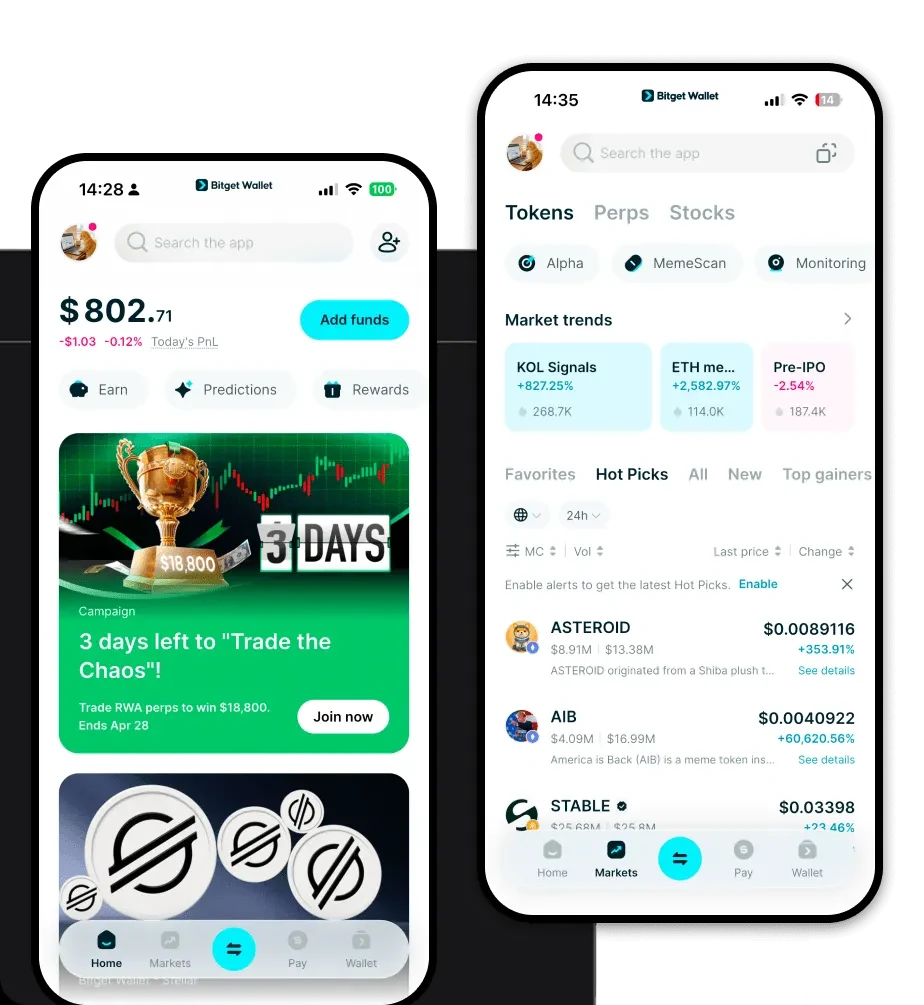
Managing your DeFi portfolio requires a robust tool that puts security and accessibility first. Bitget Wallet provides a seamless experience for DPI holders, offering full self-custody over your private keys so you remain the sole owner of your assets. Whether you are on the move or at your desktop, the platform caters to your needs with native applications for iOS and Android, as well as a powerful browser extension. To get started, you can download Bitget Wallet and experience a multi-chain environment that supports over 130 blockchains, ensuring your DPI tokens are always just a few clicks away from major DEXs and DeFi protocols.
3. Why Choose Bitget DPI Wallet?
Choosing the right wallet for an index token like DPI means prioritizing compatibility with the complex DeFi landscape. Bitget Wallet is engineered for the EVM ecosystem, offering several distinct advantages:
- Seamless DeFi Integration: Built specifically to interact with Ethereum-based dApps, Bitget Wallet allows you to connect instantly to major protocols where DPI is utilized, eliminating compatibility issues common with generic wallets.
- Optimized Gas Management: As an EVM-native tool, it provides real-time gas fee tracking and estimation, helping you avoid overpaying during high network congestion when rebalancing or moving your DPI assets.
- Robust Security Architecture: With an integrated 300 million USD user protection fund and advanced MPC (Multi-Party Computation) technology, Bitget Wallet provides an extra layer of defense against unauthorized access.
- Built-in DEX Aggregation: You can swap tokens for DPI directly within the app, aggregating liquidity from hundreds of decentralized exchanges to ensure you get the best market rates without leaving your wallet.
4. How to Create a DPI Wallet
Setting up your DPI wallet is a straightforward process that grants you full control over your digital assets. Follow these steps to get started:
Step 1: Visit the official website or your app store to download Bitget Wallet and install it on your device.
Step 2: Open the app and select 'Create a New Wallet' to generate a fresh, secure seed phrase.
Step 3: Carefully back up your recovery phrase in a secure, offline location—never share this with anyone, as it is the master key to your assets.
Step 4: Set a strong, unique PIN or biometric lock to protect your app interface from local unauthorized access.
Step 5: Once your wallet is active, navigate to the asset list, search for 'DPI,' and import the token address if necessary, though most popular ERC-20 tokens are detected automatically.
5. What Can You Do With a DPI Wallet?
Owning DPI in a feature-rich wallet like Bitget unlocks a variety of sophisticated financial strategies:
- Portfolio Diversification: Use your wallet to hold a single token that acts as a comprehensive basket, allowing for instant portfolio diversification without managing individual DeFi assets.
- Long-term DeFi Investment: Utilize the wallet's secure storage to hold DPI as a core component of your long-term DeFi investment strategy, benefiting from the index's monthly rebalancing.
- Staking for Yield Farming: Connect your wallet to supported dApps to participate in staking for yield farming, putting your idle DPI tokens to work to generate additional returns.
- Liquidity Provision: Use the wallet's dApp browser to interact with AMMs, providing liquidity to DPI-related pools and earning transaction fees from other traders.
- Governance Voting: Engage in decentralized governance by using your wallet to vote on proposals related to the underlying protocols that DPI tracks, making your voice heard in the DeFi ecosystem.
6. How DPI Wallets Are Different from Other Crypto Wallets
Not all wallets are created equal, especially when dealing with specialized index tokens like DPI. While Bitcoin wallets focus on UTXO-based security and simple transfers, a DPI wallet must be built for the Ethereum Virtual Machine (EVM) account model. This means your Bitget Wallet is designed to handle smart contract interactions—essential for DeFi—rather than just simple value transfers. Unlike wallets that struggle with complex dApp integration, Bitget Wallet excels in managing the gas fees and resource requirements inherent in Ethereum-based transactions. This specialized design ensures that your interactions with DeFi protocols are faster, more transparent, and significantly more efficient compared to legacy or non-EVM-compatible wallets.
