





What is a BCP Wallet?
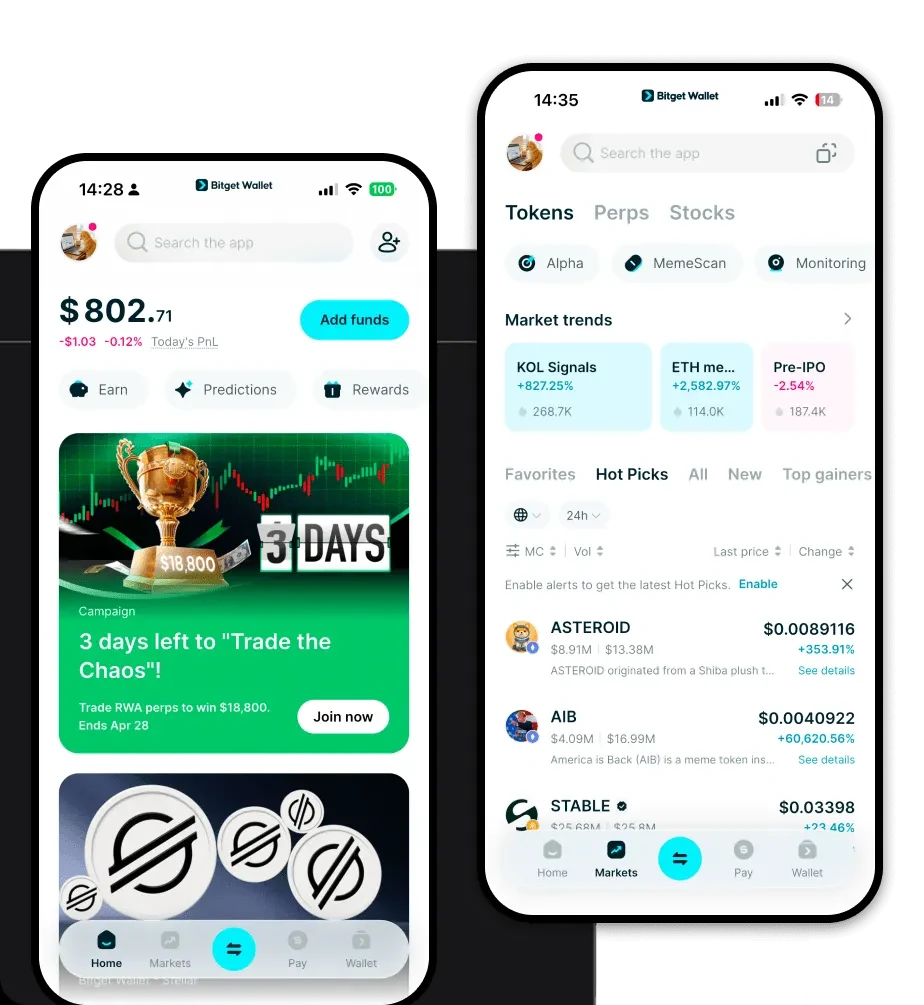
A BCP wallet serves as your digital interface to interact with the BCP token ecosystem. Since BCP operates on the EVM (Ethereum Virtual Machine) blockchain, it requires a wallet capable of interpreting standard ERC-20 token protocols and interacting with decentralized finance (DeFi) smart contracts. Bitget Wallet provides a reliable and secure environment for managing BCP tokens. With the trust of over 40 million users, it serves as an essential gateway to explore Web3, offering seamless asset management and ecosystem interaction for BCP holders.
Download Bitget BCP Wallet
Getting started with your BCP journey requires a secure, self-custodial solution. Bitget Wallet ensures you maintain full control over your private keys, which is the cornerstone of decentralized finance. Whether you are on the move or working from a desktop, you can access your assets seamlessly. You can download Bitget Wallet across multiple platforms, including dedicated mobile apps for iOS and Android, as well as a robust browser extension for desktop users. This multi-chain support ensures that once you manage your BCP tokens, you can easily pivot to other assets or chains without switching applications.
Why Choose Bitget BCP Wallet?
For BCP holders operating within the EVM ecosystem, selecting the right wallet is crucial for efficiency and security. Bitget Wallet is engineered to optimize your DeFi experience:
- EVM Compatibility: Designed specifically for the Ethereum Virtual Machine, Bitget Wallet allows you to connect instantly to any DApp, swap protocol, or yield aggregator that supports BCP.
- High Liquidity Aggregation: The wallet integrates with hundreds of DEXs, ensuring that when you trade BCP, you are accessing the best possible price and deep liquidity across the market.
- Advanced Cross-Chain Interoperability: Easily bridge your assets across different EVM-compatible chains, allowing for fluid movement of capital without restrictive silos.
- Decentralized Trading Efficiency: Experience a streamlined trading interface that removes the friction of complex DApp interactions, making it easier to execute trades directly from your wallet.
How to Create a BCP Wallet
Setting up your wallet is a straightforward process designed to prioritize your security while remaining user-friendly:
- Download and Install: Visit the official Bitget Wallet website and download the application for your preferred device (iOS, Android, or Browser Extension).
- Create a New Wallet: Open the app and select 'Create a New Wallet.' The system will generate a unique mnemonic phrase (seed phrase).
- Secure Your Recovery Phrase: Write down your seed phrase on paper and store it offline; never share this with anyone, as it grants full access to your BCP assets.
- Verify and Setup: Follow the on-screen prompts to verify your phrase, then set a strong PIN or biometric authentication to protect your app access.
- Import BCP Token: Once your wallet is active, use the 'Add Token' function to search for the BCP contract address to ensure the token appears in your asset dashboard.
What Can You Do With a BCP Wallet?
Holding BCP in your Bitget Wallet unlocks a variety of DeFi utilities designed to grow your portfolio:
- Trading: Execute swaps for BCP directly within the wallet's integrated DEX aggregator to capture market movements instantly.
- Staking: Participate in network security or protocol governance by staking your BCP tokens to earn native rewards.
- Providing Liquidity: Deposit BCP into liquidity pools to facilitate decentralized trades, earning you a share of the transaction fees generated by the protocol.
- Yield Farming: Deploy your BCP tokens into various yield farming strategies to maximize your returns through automated liquidity mining protocols.
- Portfolio Management: Monitor your total asset performance, track historical transaction data, and analyze your DeFi yield distributions through the comprehensive dashboard.
How BCP Wallets Are Different from Other Crypto Wallets
Unlike simple storage solutions, a specialized BCP wallet like Bitget is built to handle the complexities of the EVM account model. While Bitcoin wallets focus on UTXO (Unspent Transaction Output) models, BCP wallets are built for smart contract interactions. This means the wallet must efficiently manage 'gas' fees—the cost of computation on the Ethereum network. Bitget Wallet optimizes this by suggesting optimal gas settings, ensuring your transactions are processed at the right speed without overpaying. Furthermore, while some wallets are purely for storage, Bitget focuses on the 'active' DeFi user, providing the necessary tools to navigate high-frequency trading and complex cross-chain bridges that are standard in the BCP ecosystem.
