





What is a yugifi Wallet?
A yugifi wallet is a specialized digital gateway designed to interact with the yugifi token, which operates on the EVM (Ethereum Virtual Machine) blockchain. Because yugifi is built on EVM-compatible infrastructure, it requires a wallet that can handle complex smart contracts and interact seamlessly with decentralized applications. YUGIFI is a digital asset that can be securely stored and managed using the Bitget Wallet, a platform trusted by 40 million users for Web3 exploration. Whether you are interacting with DeFi protocols or managing your portfolio, your wallet serves as the secure bridge between your private keys and the broader yugifi ecosystem.
Download Bitget yugifi Wallet
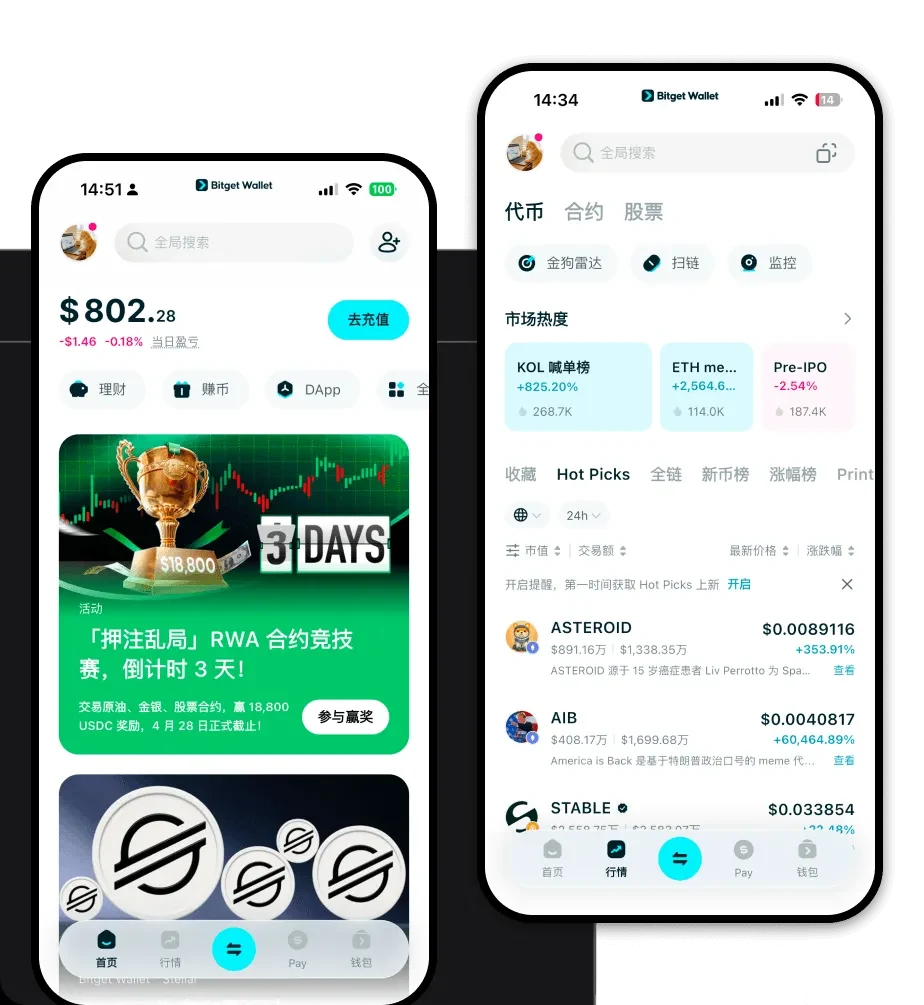
To start managing your assets, you need a robust, user-friendly interface. You can download Bitget Wallet to experience a comprehensive Web3 gateway that prioritizes both security and accessibility. Bitget Wallet offers a seamless experience across iOS, Android, and browser extensions, ensuring you have access to your yugifi tokens wherever you are. By choosing a self-custodial solution, you retain full control over your private keys, meaning your assets remain under your sole authority. Its multi-chain support allows you to manage yugifi alongside assets on over 130 other blockchains, providing a unified dashboard for all your crypto needs.
Why Choose Bitget yugifi Wallet?
- EVM Compatibility: Designed specifically for the EVM environment, Bitget Wallet ensures instant compatibility with all yugifi smart contracts and decentralized protocols.
- Decentralized Liquidity Management: Gain direct access to aggregated liquidity pools and DEXs, allowing you to swap yugifi with minimal slippage and optimal pricing.
- Enhanced Security Infrastructure: Benefit from a $300 million user protection fund and advanced encryption standards that keep your yugifi holdings safe from common vulnerabilities.
- Cross-Platform Accessibility: Whether you prefer mobile trading or desktop browser interactions, the wallet syncs your assets across devices instantly.
- Smart Contract Integration: Execute complex DeFi transactions directly from the interface, reducing the need for multiple external dApp connections.
How to Create a yugifi Wallet
Setting up your wallet is a straightforward process that takes only a few minutes:
- Download and Install: Visit the official store or website to download Bitget Wallet for your preferred device.
- Create a New Wallet: Open the app and select 'Create Wallet'. Ensure you are in a private environment where no one can see your screen.
- Secure Your Mnemonic Phrase: You will be given a 12-to-24-word seed phrase. Write this down on paper and store it offline—never share this with anyone, as it is the only way to recover your yugifi funds.
- Verify Your Setup: Follow the on-screen prompts to confirm your seed phrase, which ensures you have recorded it correctly.
- Access Your Address: Once the setup is complete, navigate to the asset list, search for 'yugifi' or use the EVM address provided to start receiving tokens.
What Can You Do With a yugifi Wallet?
Owning a yugifi wallet opens up a world of DeFi opportunities. With Bitget Wallet, you can engage in the following activities:
- Trading: Execute instant trades for yugifi against other tokens within the wallet using built-in DEX aggregators.
- Providing Liquidity: Deposit your yugifi into decentralized pools to earn fees and contribute to the health of the ecosystem.
- Staking: Lock your yugifi tokens through the wallet interface to participate in network governance and earn potential yield rewards.
- Asset Management: Monitor your entire portfolio balance in real-time with detailed analytics on your yugifi holdings.
- Portfolio Diversification: Easily swap between yugifi and hundreds of other assets to balance your risk and exposure across different DeFi protocols.
How yugifi Wallets Are Different from Other Crypto Wallets
Not all wallets are created equal, especially when dealing with EVM-based tokens like yugifi. Unlike wallets designed for UTXO-based chains like Bitcoin, which focus on transaction inputs and outputs, a yugifi wallet is built on the account-based model. This means it tracks the balance of your address directly, making it highly efficient for smart contract interactions. Furthermore, when using a wallet for yugifi, you must account for gas fees, which are the native currency payments required to process transactions on the EVM chain. Bitget Wallet optimizes this experience by providing real-time gas fee estimates and transaction acceleration features, ensuring you aren't overpaying during periods of network congestion.
