





What is an HBS Wallet?
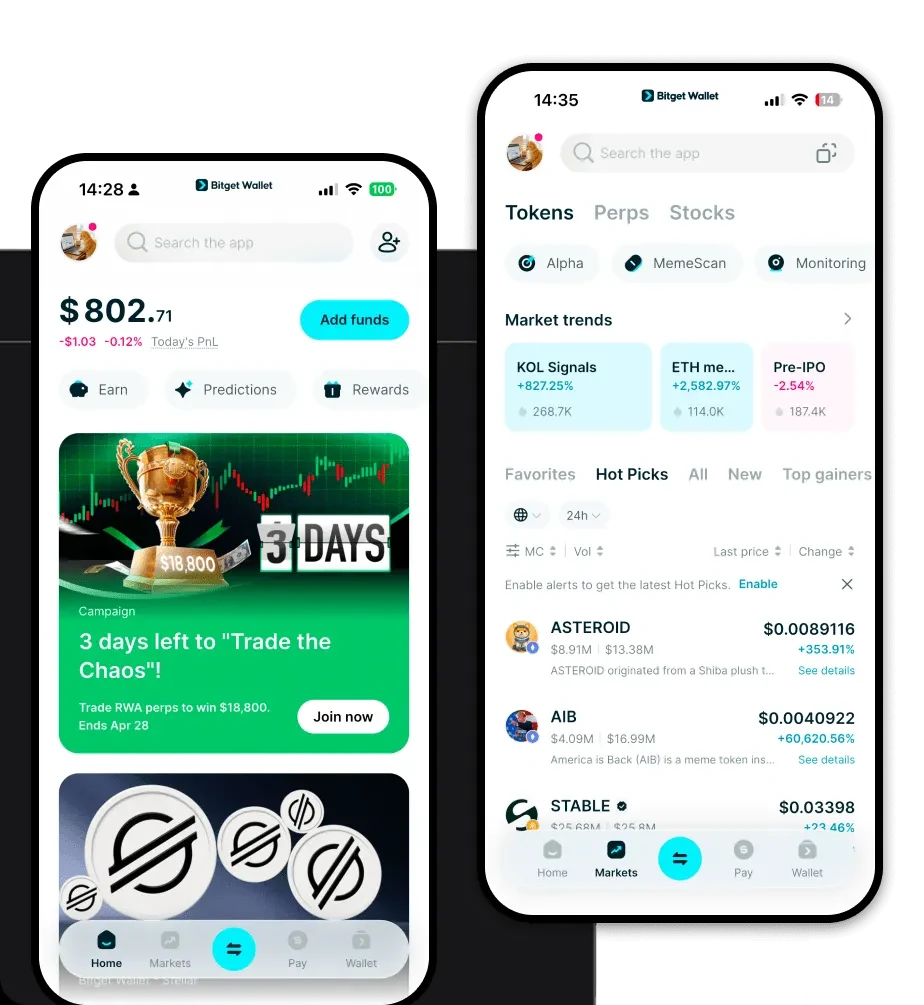
An HBS wallet is a digital interface or application that allows you to interact with the HyperBC ecosystem. HBS (HyperBC) is the native token of the HyperBC ecosystem, designed to provide infrastructure support for decentralized finance and digital asset management. This token is primarily used for payment settlement, transaction fee deduction, and participating in platform governance within the HyperBC ecosystem. Because HBS is built on EVM (Ethereum Virtual Machine) architecture, it functions seamlessly across Ethereum-compatible networks. Bitget Wallet supports HBS storage and management, providing users with a secure and convenient Web3 asset interaction experience.
Download Bitget HBS Wallet
To start managing your HBS tokens effectively, you need a wallet that combines security with accessibility. Bitget Wallet stands out as a top-tier choice for HBS holders. It is a non-custodial wallet, meaning you retain full control over your private keys and assets at all times. Whether you prefer managing your portfolio on the go via mobile or through a browser extension, Bitget Wallet has you covered with robust support for iOS, Android, and desktop browsers.
Bitget Wallet simplifies the complexities of the multi-chain world. With support for over 130 public chains and millions of tokens, it aggregates hundreds of DEXs and cross-chain bridges to ensure you always get the best rates. You can download Bitget Wallet today to experience a streamlined, secure, and user-friendly interface designed for both beginners and advanced DeFi users.
Why Choose Bitget HBS Wallet?
- EVM Ecosystem Integration: As an EVM-compatible token, HBS benefits from Bitget Wallet’s deep native support for Ethereum-based networks, ensuring instant compatibility with decentralized applications and smart contracts.
- Advanced Security Framework: Backed by a $300 million user protection fund, Bitget Wallet provides institutional-grade security, protecting your HBS assets from unauthorized access and potential smart contract vulnerabilities.
- Optimized Cross-Chain Interoperability: Utilize built-in bridge features to move your HBS assets across different chains without the friction of using fragmented third-party platforms.
- Low Latency Transaction Execution: Bitget Wallet’s optimized infrastructure ensures that your HBS transactions are broadcast and processed with minimal latency, which is crucial for time-sensitive DeFi activities.
- Comprehensive Asset Management: Beyond simple storage, the wallet provides real-time market data, portfolio tracking, and intuitive dashboards to monitor your HBS holdings.
How to Create an HBS Wallet
Setting up your wallet to handle HBS is straightforward. Follow these steps to get started:
1. Install the App: Download Bitget Wallet from the official website or your device's app store and install the application.
2. Create or Import: Open the app and select 'Create a New Wallet.' If you already have an EVM-compatible wallet, you can choose 'Import Wallet' using your recovery phrase.
3. Secure Your Credentials: You will be presented with a seed phrase. Write this down on paper and store it in a secure, offline location. Never share this with anyone.
4. Add HBS Token: Once your wallet is set up, tap the '+' icon or 'Add Token' button. Search for 'HBS' and toggle the switch to enable it in your main asset list.
5. Verify Connection: Your HBS wallet address is now active. You can find your public address by tapping the 'Receive' button, which allows you to deposit HBS from exchanges or other wallets.
What Can You Do With an HBS Wallet?
Using your HBS wallet goes beyond simple holding. By leveraging the infrastructure features of HBS, you can actively participate in the ecosystem:
- Transaction Fee Payment: Use HBS to cover gas costs or platform-specific transaction fees, reducing your overall operational overhead within the HyperBC network.
- Platform Governance Voting: Engage in decentralized governance by voting on protocol upgrades and community proposals, directly influencing the future direction of the HyperBC ecosystem.
- Staking for Rewards: Lock your HBS tokens into staking smart contracts to secure the network and earn periodic yield or staking rewards.
- Liquidity Provision: Deposit your HBS into decentralized exchange liquidity pools to facilitate trading pairs, earning a share of the transaction fees generated by the pool.
- Cross-Chain Asset Transfer: Leverage the cross-chain capabilities of your wallet to move HBS between different EVM chains, ensuring your assets are always where they are needed most.
How HBS Wallets Are Different from Other Crypto Wallets
Unlike wallets designed for UTXO-based chains like Bitcoin, which focus on transaction inputs and outputs, an HBS wallet is built for the EVM account-based model. This means your wallet manages 'states'—the current balance and smart contract code associated with your address. Because HBS is an EVM token, your wallet experience is centered around interacting with smart contracts rather than just managing unspent outputs. Furthermore, Bitget Wallet optimizes the gas estimation process, ensuring that your transactions are processed efficiently on the Ethereum-compatible network, preventing the common 'stuck transaction' issues found in less sophisticated interfaces.
