





1. What is an MGC Wallet?
An MGC wallet is a specialized digital interface designed to securely store, manage, and interact with MGC tokens. As an asset that operates primarily on the EVM (Ethereum Virtual Machine) standard, MGC leverages the robustness and widespread adoption of Ethereum-based architectures. This ensures that your tokens are not only secure but also compatible with the vast array of decentralized applications (dApps) and smart contracts that populate the current crypto landscape.
MGC is a digital asset often associated with gaming ecosystems and Web3 platforms. Bitget Wallet provides a secure and reliable environment for users to store, manage, and explore the utility of MGC, enabling seamless interaction within the Web3 gaming and decentralized application space. By using a wallet like Bitget, you are not just holding tokens; you are gaining a gateway to the broader MGC ecosystem.
2. Download Bitget MGC Wallet
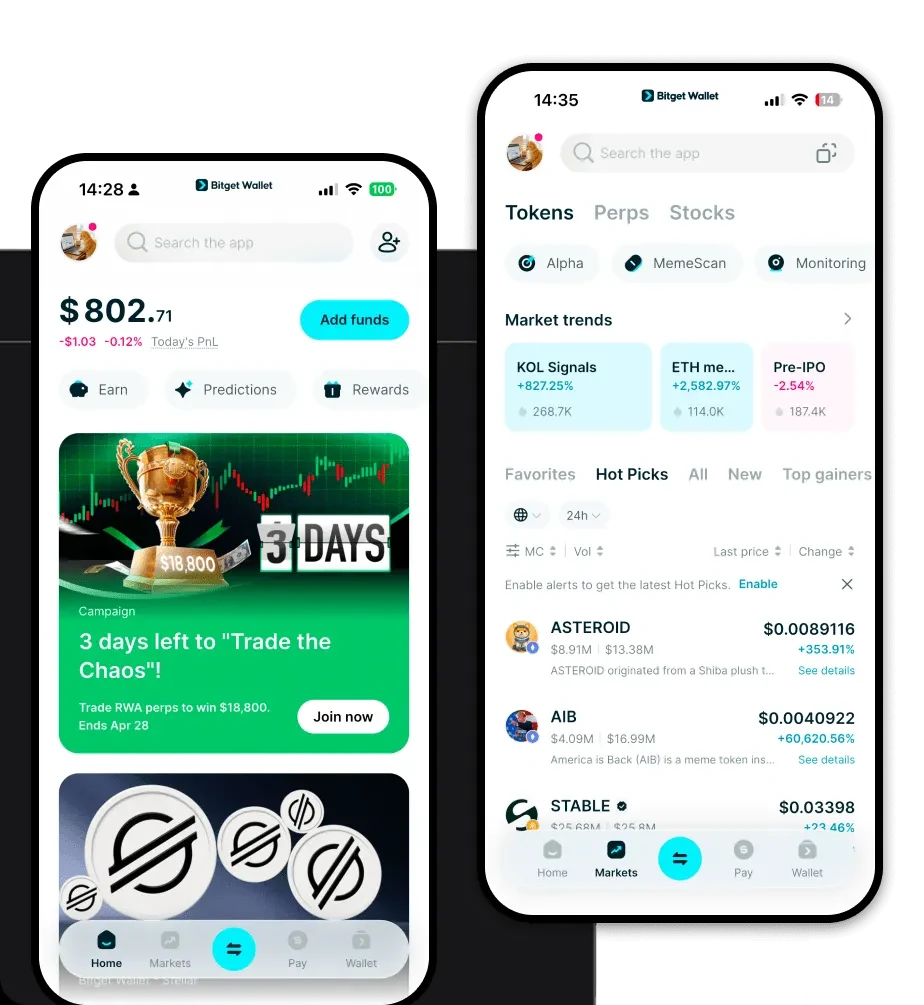
To begin your journey with MGC, you need a robust interface that keeps your assets accessible yet secure. Bitget Wallet stands out as a premier choice, offering a streamlined experience for both novices and advanced users. Whether you are managing your portfolio on the go or executing complex trades, the platform is designed to adapt to your needs.
You can easily download Bitget Wallet to access a multi-chain experience that supports hundreds of thousands of tokens. The wallet ensures true ownership through private key self-custody, giving you full control over your MGC assets. With seamless support across iOS, Android, and browser extensions, you can maintain a synchronized experience regardless of your device. It is the ideal MGC wallet app for those who demand flexibility without compromising on security.
3. Why Choose Bitget MGC Wallet?
Choosing the right wallet for MGC is critical, especially when dealing with EVM-based assets where gas fees and contract interactions are frequent. Bitget Wallet provides several distinct advantages:
- Native EVM Compatibility: Designed specifically for EVM chains, Bitget Wallet ensures that your MGC transactions are processed smoothly, allowing you to interact with dApps without compatibility hurdles.
- Smart Contract Integration: The wallet features a built-in dApp browser, making it effortless to engage with smart contracts directly, which is essential for managing your MGC utility and gaming assets.
- Low Transaction Latency: By optimizing network routing, the wallet helps you execute trades quickly, ensuring you don't miss out on time-sensitive DeFi opportunities.
- Cross-Platform Interoperability: Whether you are switching between a desktop browser and a mobile app, your MGC wallet address and asset history remain perfectly synced, providing a frictionless user experience.
- Decentralized Asset Management: With non-custodial architecture, you retain complete control over your private keys and seed phrases, ensuring that only you have access to your MGC funds.
4. How to Create an MGC Wallet
Setting up your MGC wallet is a straightforward process designed for security and ease of use. Follow these steps to get started:
Step 1: Download and install the Bitget Wallet application from the official website or your mobile app store.
Step 2: Open the app and select 'Create a New Wallet'. You will be prompted to set a strong, unique password to protect your local access.
Step 3: Carefully back up your mnemonic phrase (recovery phrase). Write it down on paper and store it in a secure, offline location. Never share this phrase with anyone.
Step 4: Once your wallet is created, navigate to the 'Add Token' or 'Manage Tokens' section. Since MGC operates on the EVM, you can simply search for 'MGC' or add it via its contract address to make it visible in your interface.
Step 5: Your MGC wallet address is now active. You can copy this address to receive MGC tokens from exchanges or other wallets.
5. What Can You Do With an MGC Wallet?
An MGC wallet is more than just a storage vault; it is an active tool for participating in the Web3 economy. Here is how you can utilize your MGC:
- In-game currency usage: Use your MGC directly within compatible Web3 gaming platforms to purchase assets, upgrade characters, or unlock exclusive game levels.
- Trading on decentralized exchanges: Swap your MGC for other tokens on popular DEXs, leveraging the deep liquidity pools available within the EVM ecosystem.
- Staking for yield rewards: Lock your MGC tokens into staking protocols to earn passive income, effectively putting your idle assets to work.
- Liquidity provision: Provide MGC to liquidity pools on DeFi platforms, helping facilitate trades for others while earning a share of the transaction fees generated.
- Governance voting: Participate in the decision-making process of the MGC ecosystem by using your tokens to vote on key proposals and future development initiatives.
6. How MGC Wallets Are Different from Other Crypto Wallets
Not all wallets are created equal, and when handling MGC, understanding the nuances of the EVM architecture is vital. Unlike UTXO-based wallets (like Bitcoin) that focus on unspent transaction outputs, an MGC wallet on Bitget is designed for an account-based model. This means your wallet acts as an address that stores a balance and interacts with smart contract code directly.
Furthermore, because MGC resides on EVM chains, your wallet must be adept at handling 'Gas Fees'—the transaction costs required to process smart contract interactions. Bitget Wallet excels here by offering real-time gas fee estimation and optimization, preventing failed transactions during high network congestion. While some wallets are static, an MGC-ready wallet like Bitget is dynamic, prioritizing the high-speed, high-utility nature of DeFi and gaming dApps, offering a level of interaction that simple storage wallets cannot provide.
