


World Cup Predictions 2026: Who Will Win Based on Power Rankings and Market Trends
World Cup Predictions 2026 are increasingly driven by data — not just opinion — as analysts compare 2026 World Cup power rankings, 2026 World Cup odds, and World Cup prediction market pricing to assess title probability. Traditional narratives now compete with probability modeling and market-based signals.
The 48-team World Cup format impact fundamentally changes tournament dynamics compared to 2022. Expanded groups, third-place qualification pathways, and increased variance create new volatility layers. The central question remains: who will win the 2026 World Cup when structure, depth, and market pricing all collide?
Track real-time World Cup prediction market signals directly on-chain with Bitget Wallet.
Key Takeaways
- World Cup Predictions 2026 align power rankings, 2026 World Cup odds, and prediction market signals into one probability model.
- Spain and France currently lead most 2026 World Cup favorites projections across rankings and market pricing.
- The 48-team format increases volatility, giving 2026 World Cup dark horses stronger advancement pathways.
- Prediction market vs betting odds gaps may reveal short-term pricing inefficiencies before knockout stages.
What Do 2026 World Cup Power Rankings Reveal?
The 2026 World Cup power rankings provide a structural framework for World Cup Predictions 2026 by quantifying performance indicators rather than relying on narrative momentum. They evaluate sustainability, depth resilience, and tournament adaptability — all critical in a 48-team format.
Ranking Methodology
Power rankings are built using weighted competitive indicators:
- Recent form (12–18 months): Results against top-tier opposition carry greater analytical weight.
- Squad depth by position group: Bench reliability and rotation capacity across all lines.
- Manager stability & tactical flexibility: Ability to adapt shape and tempo mid-tournament.
- Tournament pedigree: Knockout composure and late-stage efficiency.
- Injury exposure & dependency risk: Sensitivity to single-player absence.
Top Tier in 2026 World Cup Power Rankings
These nations consistently rate highest across depth, structural balance, and volatility resistance:
- Spain — Positional control, midfield dominance, progressive wide overloads.
- France — Transition speed, vertical explosiveness, attacking depth.
- Argentina — Structured buildup, experienced core, game-state management.
- Brazil — Elite attacking ceiling supported by rotation depth.
- England — Layered midfield balance with diversified scoring outlets.
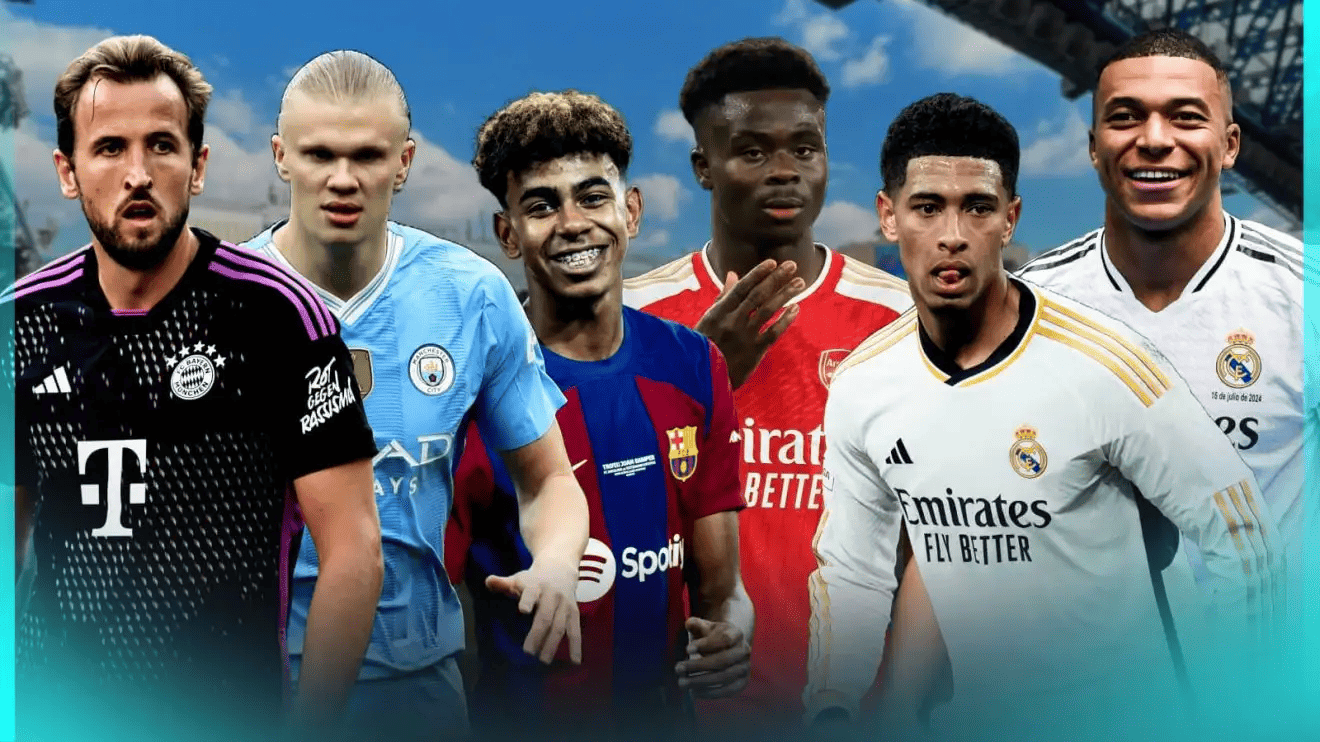
From right to left: Kylian Mbappe, Jude Bellingham, Bukayo Saka, Erling Haaland, Lamine Yamal and Harry Kane. The most valuable football players in the world
Source: Football365
Tier 2 Contenders and Volatility Risk
These teams project strong upside but exhibit higher structural variance:
- Portugal — Title ceiling tied to tactical cohesion in knockout phases.
- Germany — Rebuilding consistency; peak-level output still fluctuates.
- Netherlands — Defensive stability offset by finishing variability.
- Norway — Elite striker-driven output increases dependency risk.
How 2026 World Cup Odds Shape Title Probability
2026 World Cup odds represent the market’s baseline expectation for each nation’s title chances. Converting those prices into implied probability reveals how bookmakers quantify risk, while adjusting for overround exposes the embedded margin that inflates total probability beyond 100%. This step is essential before comparing 2026 World Cup betting predictions with rankings or prediction market data.
Converting 2026 World Cup Odds into Implied Probability
American odds translate into probability using:
- Positive odds formula: 100 / (Odds + 100)
Example conversions:
- +500 → 16.7%
- +600 → 14.3%
- +800 → 11.1%
| Team | 2026 World Cup Odds | Implied Probability | Power Ranking Position | Prediction Market Price |
| Spain | +500 | 16.7% | 1 | 18% |
| France | +600 | 14.3% | 2 | 15% |
| Argentina | +800 | 11.1% | 3 | 12% |
| Brazil | +650 | 13.3% | 4 | 13% |
| England | +700 | 12.5% | 5 | 12% |
When bookmaker pricing and prediction market pricing diverge, it signals either margin distortion or sentiment-driven mispricing.
Overround and Margin Distortion
Bookmakers build profit margin directly into tournament markets. When all implied probabilities are summed across contenders, the total exceeds 100% — this is the overround. The larger the overround, the greater the structural pricing bias.
Overround affects perceived value. Popular teams often absorb heavier margin compression because public betting demand pushes prices downward. As a result, headline favorites may appear shorter than their structural probability warrants.
2026 World Cup Betting Predictions vs Market Reality
Pre-tournament 2026 World Cup betting predictions are highly sensitive to narrative cycles. Strong friendly performances, star-player hype, or injury rumors can rapidly shift lines without materially changing structural strength.
More importantly, knockout-stage path evolution can dramatically alter effective title probability. A team projected at 14% pre-tournament can move significantly higher if bracket positioning becomes favorable, even if their underlying quality remains constant.
World Cup Prediction Market vs Betting Odds
World Cup prediction markets use Yes/No contracts where price directly represents implied probability, and market movement reflects crowd pricing based on information flow and conviction. Compared with betting odds, this structure improves transparency because probability is not masked by conversion formats or inflated by bookmaker margin, enabling clearer efficiency vs bookmaker margin comparison.
How a World Cup Prediction Market Prices Probability
A World Cup prediction market lists outcome contracts such as “Spain to win the 2026 World Cup.” Traders buy or sell based on expected probability, and the contract price becomes the market’s live probability estimate.
- A contract at 0.18 implies 18% probability.
- A move from 0.14 → 0.16 implies rising confidence from 14% → 16%.
- Higher liquidity generally reduces volatility and improves price reliability.
Prediction Market vs Betting Odds Efficiency Comparison
Prediction markets often differ from sportsbooks in three efficiency drivers:
- No embedded overround inflating total probabilities above 100%
- Faster reaction to lineup news through immediate trading repricing
- Arbitrage opportunities when bookmaker odds lag market consensus
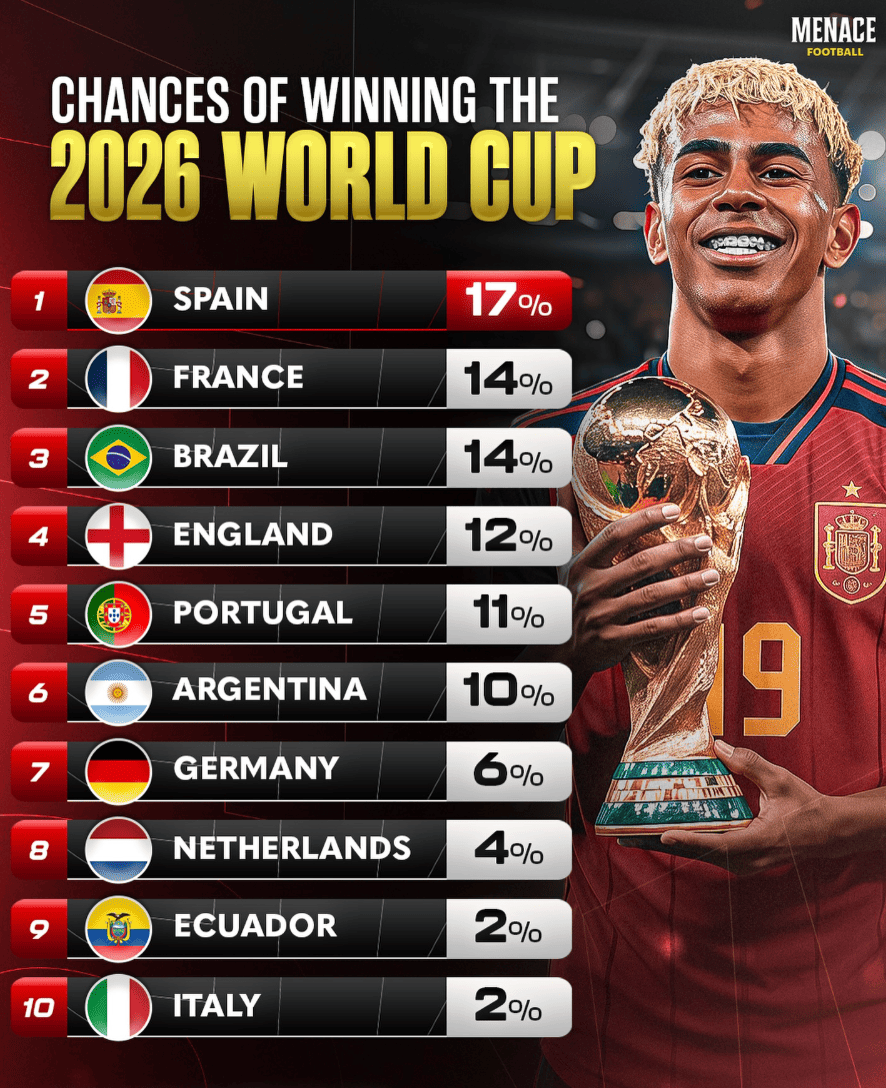
Source: menacefootballhq
Who Are the 2026 World Cup Favorites?
The 2026 World Cup favorites are defined by convergence across three systems: 2026 World Cup power rankings, 2026 World Cup odds, and World Cup prediction market pricing. When structural strength, implied probability, and trader consensus align, title probability becomes statistically defensible rather than narrative-driven.
1. Spain — Tactical Control and Depth
- Euro-winning momentum reinforces positional discipline and composure
- Midfield control enables sustained territorial dominance and tempo control
- Favorable group structure reduces early-stage elimination variance
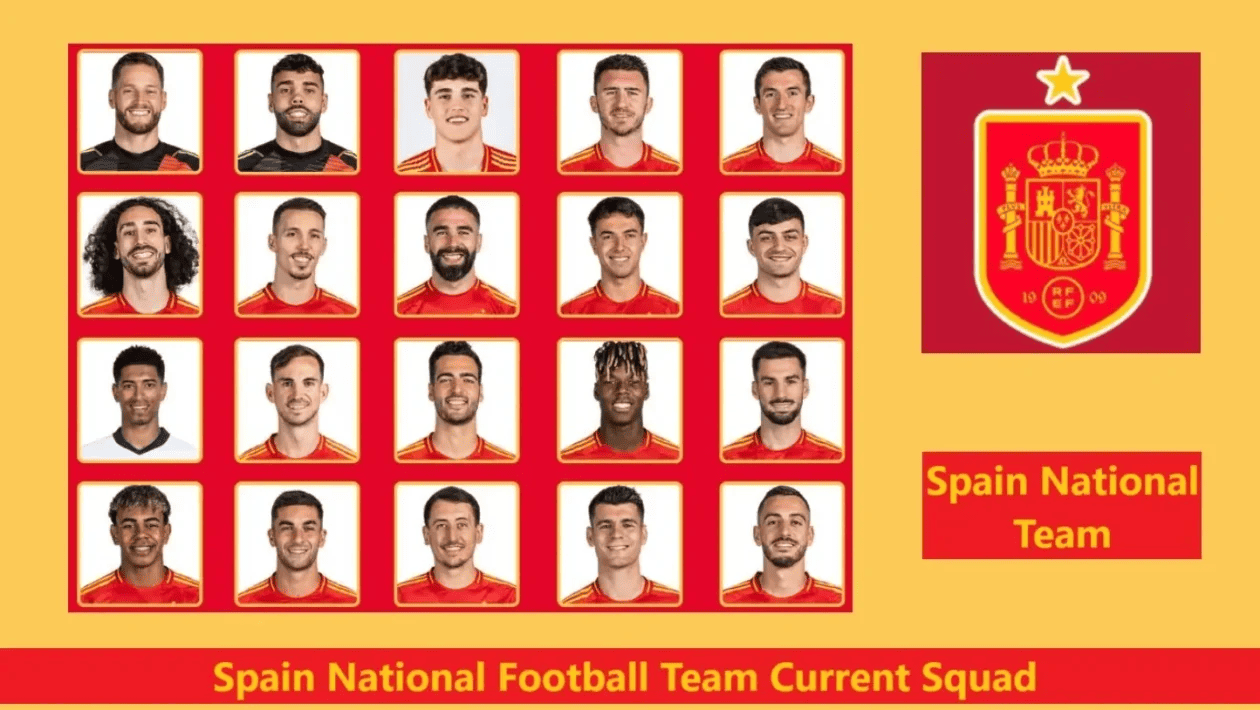
Source: fifaworldcupnews
Spain’s probability profile reflects consistency rather than volatility. They project as one of the most structurally complete 2026 World Cup favorites.
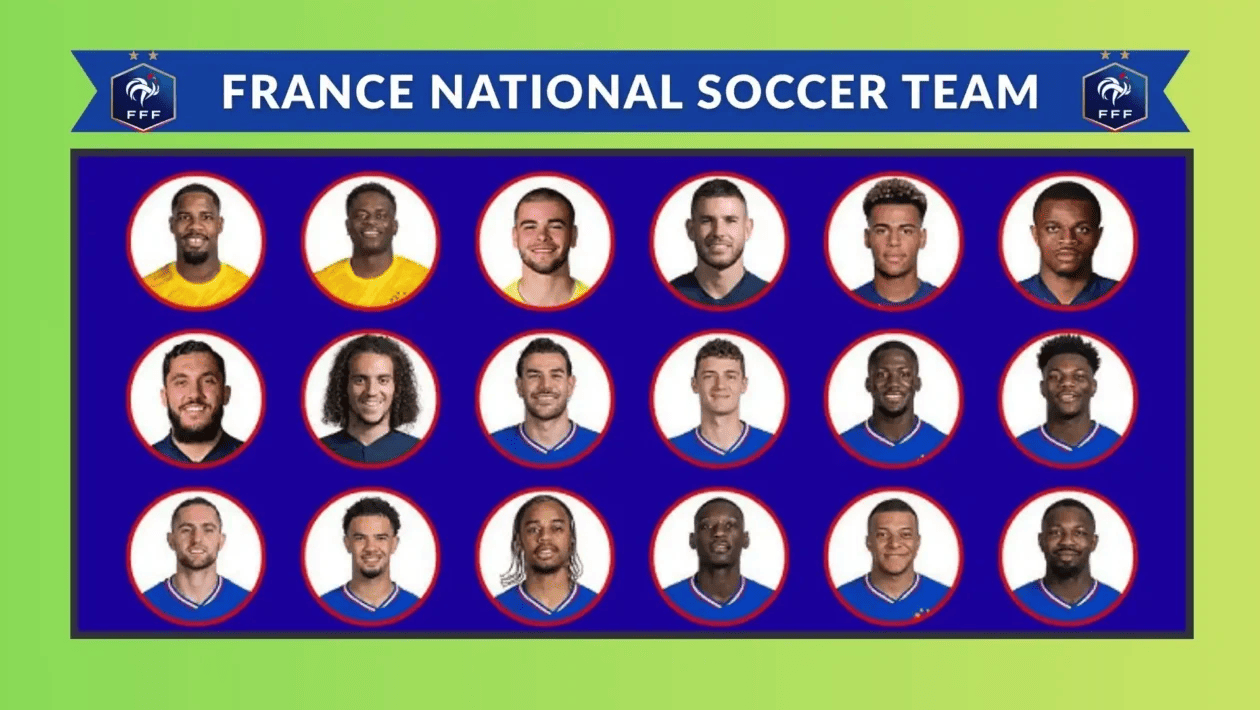
2. France — Explosiveness vs Group Volatility
- Mbappé-led transition attack creates elite counterattacking ceiling
- France vs Norway group analysis introduces early volatility exposure
- Depth across attacking lines offsets isolated injury risk
Source: fifaworldcupnews
France combine high ceiling with moderate group-stage variance, making them a volatility-adjusted contender.
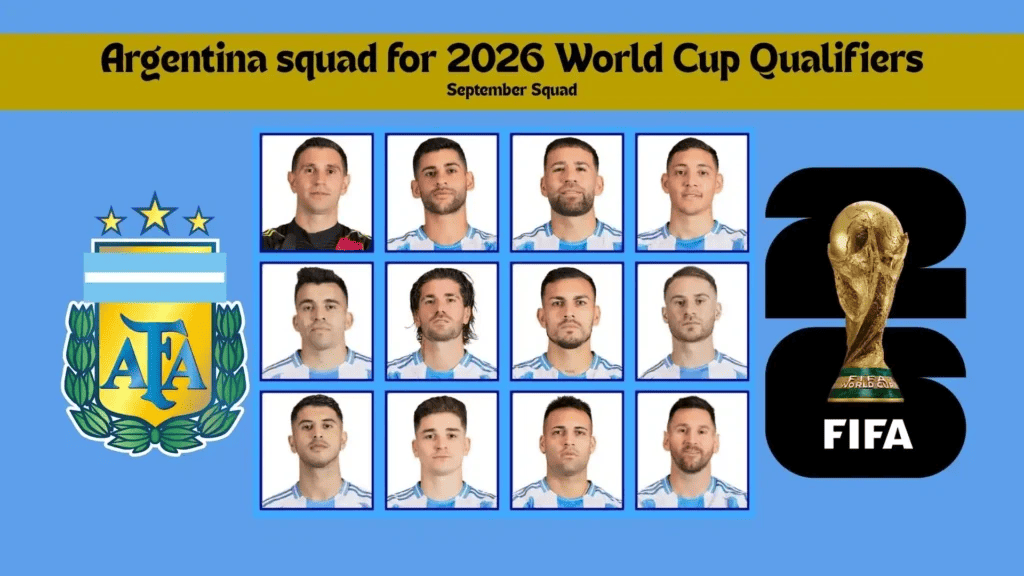
3. Argentina — Experience and Structure
- Veteran composure supports knockout-stage execution
- Structured midfield ensures possession stability under pressure
- Proven tournament resilience reduces late-stage collapse probability
Source: fifaworldcupnews
Argentina’s championship case is built on structural efficiency rather than raw attacking volume.
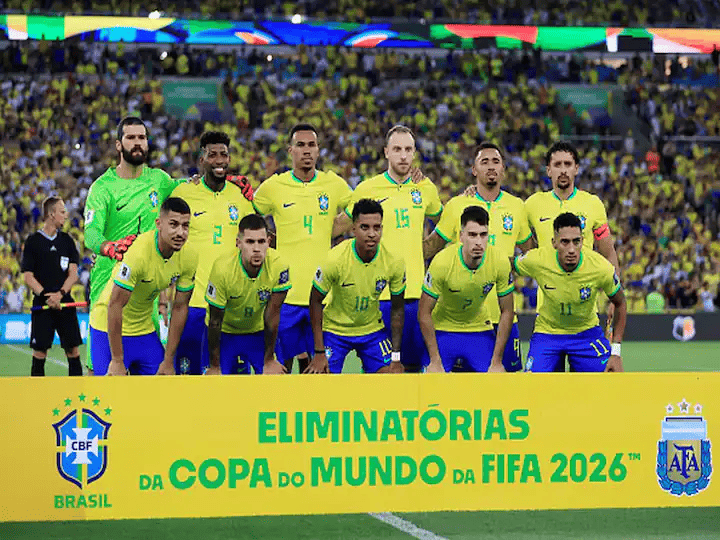
4. Brazil — Ceiling vs Stability
- Elite attacking upside across wide channels and central progression
- High technical depth enables rotational flexibility
- Defensive transition risk introduces structural instability in open matches
Source: ABP News Bureau
Brazil carry one of the highest ceilings among 2026 World Cup favorites but also exhibit variance risk.
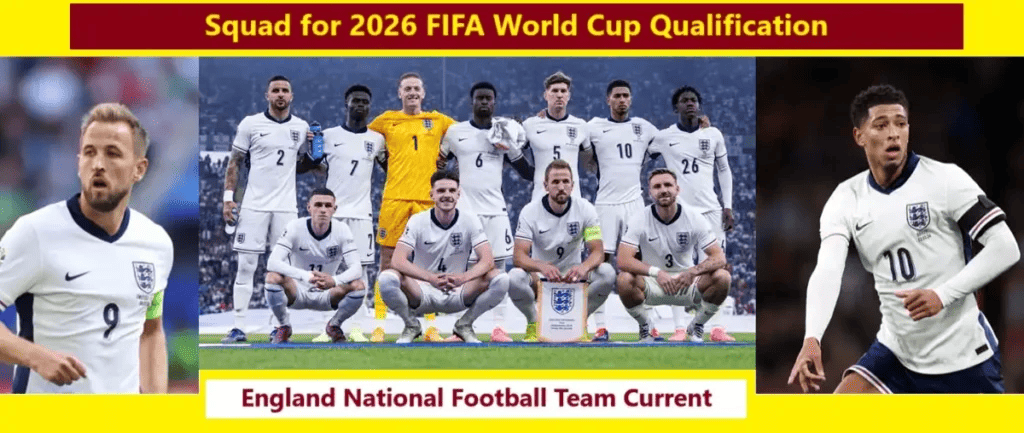
5. England — Squad Depth Model
- Layered midfield configuration supports tactical adaptability
- Attacking versatility allows multiple scoring routes
- Selection cohesion remains critical for knockout-stage stability
Source: fifaworldcupnews
England’s probability depends less on individual brilliance and more on system-level integration.
2026 World Cup Dark Horses
2026 World Cup dark horses gain disproportionate advantage from the 48-team World Cup format impact. Expanded qualification pathways, third-place advancement, and bracket distortion increase variance, allowing structurally organized but lower-ranked teams to outperform baseline 2026 World Cup odds and outperform conservative power ranking projections.
1. Norway — High-Variance Attack
Norway’s title probability is concentrated around attacking output. Their forward efficiency profile creates outsized upside in knockout formats, but dependency risk raises volatility. In a compressed elimination structure, scoring variance can rapidly elevate upset probability beyond bookmaker expectation.
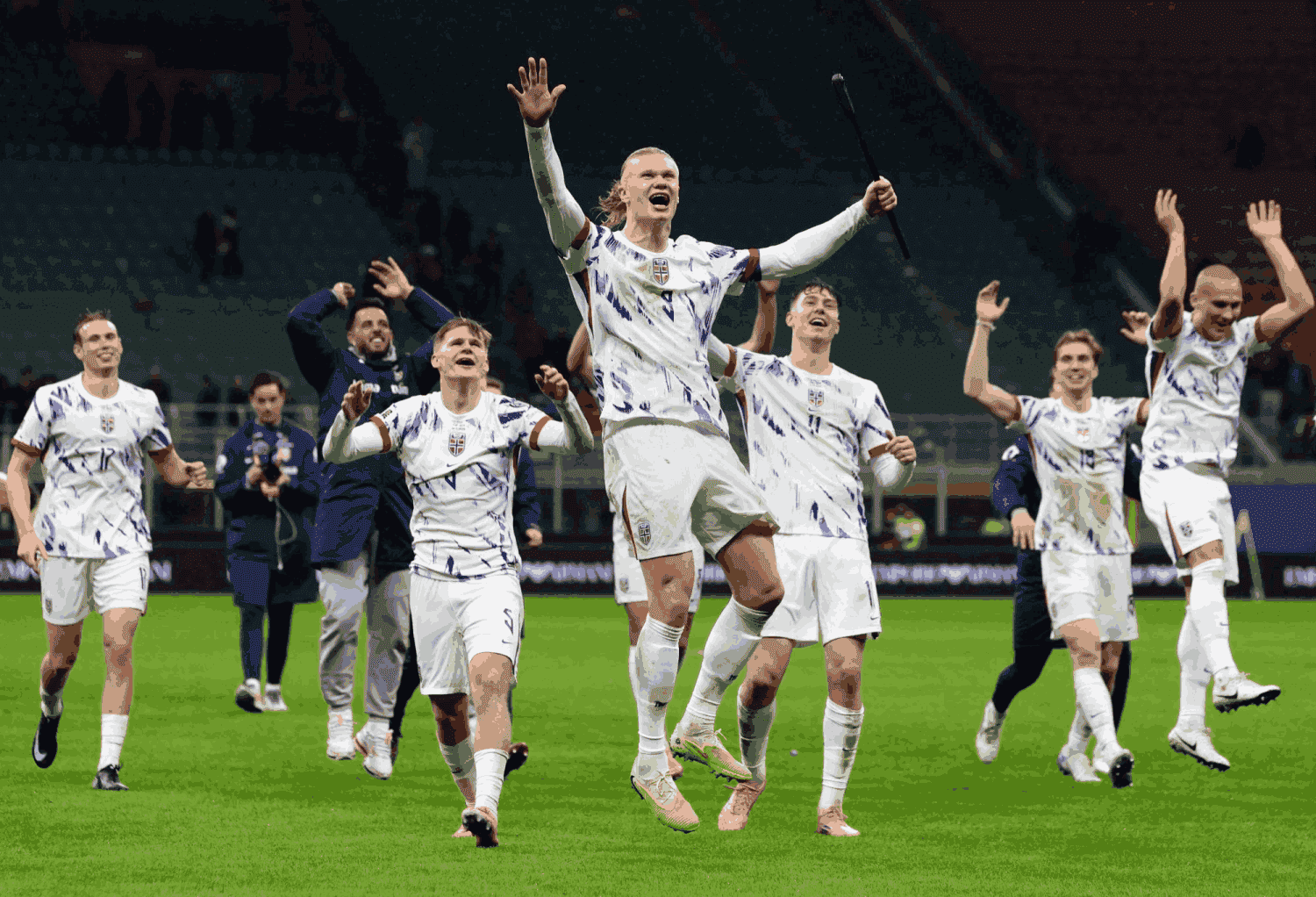
Erling Haaland leads rout as Norway qualifies for first World Cup since 1998
Source: Japantimes.co
2. Morocco — Tournament Discipline
Morocco’s competitive strength lies in defensive compactness and structured transition control. They minimize space centrally and force low-quality chances, an approach that translates well to knockout football. Their probability ceiling is tied to path softness rather than raw attacking dominance.
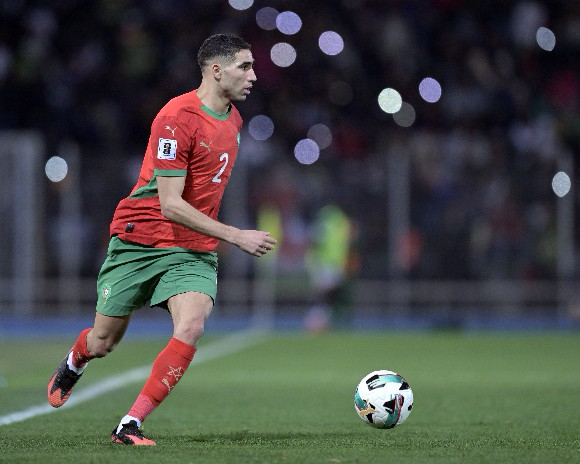
Achrat Hakimi of Morocco during FIFA World Cup Qualifiers 2026 matc between Niger and Morocco at Honneur Stadium in Oujda, Morocco on21 March 2025 ©NabilRamdani/BackpagePix
3. Senegal — Pressing Structure
Senegal combine athletic pressing with vertical progression. Against possession-heavy opponents, they can disrupt build-up phases and convert transitional moments. However, group-stage difficulty increases elimination exposure relative to other 2026 World Cup dark horses.
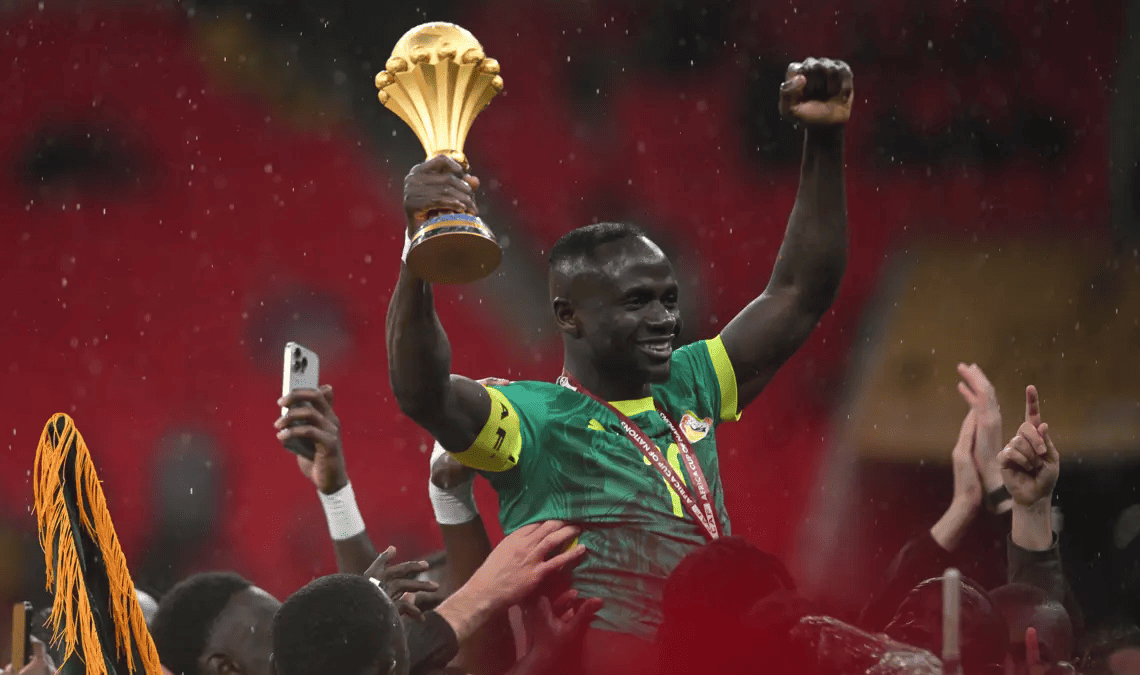
Sadio Mané, Best Player of AFCON 2025: The Coronation of Leadership Source: cafonline
4. Ecuador — Defensive Stability
Ecuador project as one of the most structurally balanced secondary-tier teams. Their defensive line organization and compact midfield reduce match volatility. While their championship ceiling is limited, their advancement probability may exceed market pricing if bracket alignment becomes favorable.
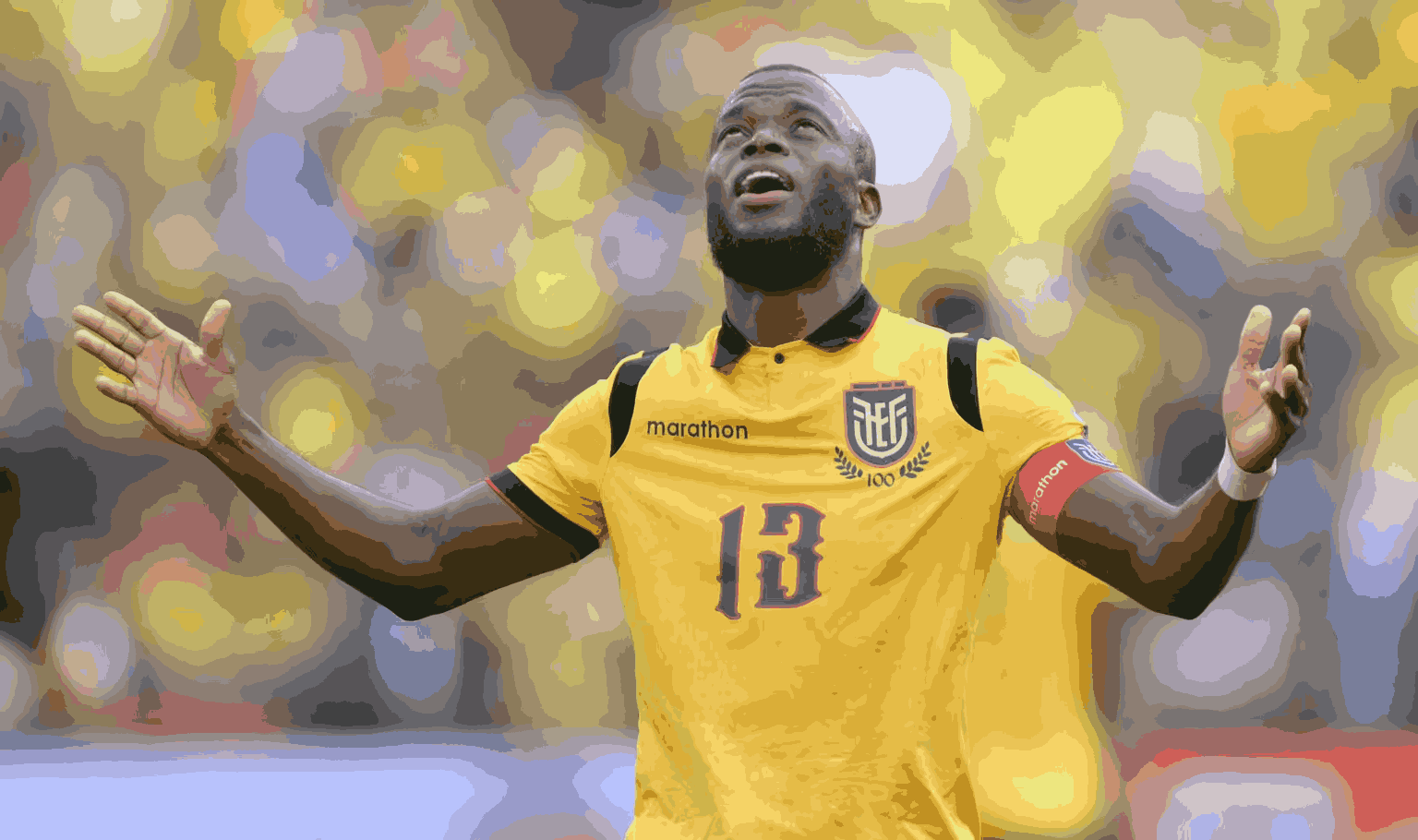
Valencia still leading Ecuador's pursuit for greatness: The 35-year-old forward is headed for his third FIFA World Cup™ after Sebastián Beccacece’s side booked their place at the landmark event.
Source: Fifa
Dark Horse Risk Matrix
| Team | Upset Potential | Group Difficulty | Path Volatility | Market Undervaluation |
| Norway | High | High | High | Moderate |
| Morocco | Medium | Medium | Medium | Moderate |
| Senegal | Medium | High | Medium | Low |
| Ecuador | Medium | Medium | Low | Moderate |
How the 48-Team World Cup Format Changes Predictions
The 48-team World Cup format impact materially alters World Cup Predictions 2026 by increasing structural variance, widening advancement pathways, and amplifying bracket asymmetry. Compared to 2022, probability modeling must now account for third-place qualification routes, uneven group strength dispersion, and amplified knockout path distortion.
Expanded Groups and Third-Place Advancement
The expanded 48-team format introduces additional advancement slots, creating structural safety nets for stronger teams while simultaneously increasing the number of viable qualification paths for mid-tier nations.
- More safety nets reduce early elimination probability for elite teams
- Third-place qualification introduces strategic game-state management
- Advancement modeling must now incorporate cross-group ranking comparisons
The result is a higher baseline advancement probability for favorites but increased mid-tier disruption potential.
Increased Upset Probability
The widened field increases quality dispersion across groups, but paradoxically, it also increases volatility.
- Wider quality gaps in some groups create uneven match pressure
- Mid-tier teams face more plausible advancement routes
- Smaller margins in qualification thresholds magnify single-match variance
Upsets become less about pure talent disparity and more about path leverage and situational variance.
Knockout Path Distortion
Bracket alignment becomes significantly more influential in a 48-team structure.
- First-place group finishes are disproportionately rewarded
- Second- and third-place advancement may compress elite matchups earlier
- Path difficulty variance can alter effective title probability by several percentage points
Modeling must therefore simulate bracket distortion scenarios rather than relying solely on pre-tournament 2026 World Cup odds.
Group-by-Group Breakdown in World Cup Predictions 2026
Group structure directly shapes advancement probability in World Cup Predictions 2026. In the 48-team format, top-two qualification plus eight best third-place slots reduces elimination pressure but increases volatility in seeding. Group balance, swing fixtures, and tactical matchups determine whether favorites secure bracket protection or face early knockout distortion.
Group A — Mexico, South Africa, South Korea, UEFA Playoff D
| Group | Nations | FIFA Rank Tier | World Cup History | Key Player |
| A | Mexico | Top 20 | Consistent R16 team | Edson Álvarez |
| A | South Africa | 50–70 | 2010 hosts, limited knockout history | Percy Tau |
| A | South Korea | Top 30 | 2002 semifinalists | Son Heung-min |
| A | UEFA Playoff D | TBD | Variable | TBD |
Radar comparing: Mexico (balanced), South Korea (pace), South Africa (defensive), Playoff D (unknown volatility).
Analytical Notes
- Swing Match: Mexico vs South Korea
- Qualification Note: Third-place likely competitive at 4 points.
- Tactical Matchup: Korea’s transitional speed vs Mexico’s midfield control.
Group B — Canada, UEFA Playoff A, Qatar, Switzerland
| Group | Nations | FIFA Rank Tier | World Cup History | Key Player |
| B | Canada | Top 40 | Rebuilding | Alphonso Davies |
| B | Switzerland | Top 15 | Knockout regular | Granit Xhaka |
| B | Qatar | 50–70 | 2022 hosts | Akram Afif |
| B | UEFA Playoff A | TBD | High variance | TBD |
Bar chart: Switzerland strongest rating; Canada second; volatility spike for Playoff A.
Required Analysis
- Playoff A Volatility: Could swing 2nd place if top-tier European.
- Canada Home Factor: North American hosting conditions improve projection floor.
Group C — Brazil, Morocco, Haiti, Scotland
| Group | Nations | Tier | History | Key Player |
| C | Brazil | Title Contender | 5x champions | Vinícius Jr |
| C | Morocco | Dark Horse | 2022 semifinal | Achraf Hakimi |
| C | Scotland | Competitive | Limited deep runs | Scott McTominay |
| C | Haiti | Underdog | Rare qualification | TBD |
Strength differential graph — Brazil clear ceiling, Morocco second.
Required Analysis
- Brazil vs Morocco: Decisive for top seeding.
- Third-Place Path: Scotland viable third-place qualifier with 3–4 points.
Group D — United States, Paraguay, Australia, UEFA Playoff C
| Group | Nations | Tier | History | Key Player |
| D | United States | Top 25 | Regular knockout | Christian Pulisic |
| D | Paraguay | Defensive side | Historical knockout team | Miguel Almirón |
| D | Australia | High work rate | R16 appearances | Mat Ryan |
| D | UEFA Playoff C | TBD | Unknown | TBD |
Compact strength chart — narrow spread.
Required Analysis
- USA Ceiling: Quarterfinal upside if group won.
- Paraguay Defensive Profile: Low block could suppress goal differential.
Group E — Germany, Curaçao, Ivory Coast, Ecuador
| Group | Nations | Tier | History | Key Player |
| E | Germany | Elite | 4x champions | Jamal Musiala |
| E | Ecuador | Structured | Consistent qualifier | Moisés Caicedo |
| E | Ivory Coast | Physical | AFCON pedigree | Sébastien Haller |
| E | Curaçao | Underdog | Limited | TBD |
Germany strong top; Ecuador/Ivory Coast close secondary battle.
Group F — Netherlands, Japan, UEFA Playoff B, Tunisia
| Group | Nations | Tier | History | Key Player |
| F | Netherlands | Elite | 3x finalists | Virgil van Dijk |
| F | Japan | Tactical | 2022 R16 | Takefusa Kubo |
| F | Tunisia | Organized | Competitive | Wahbi Khazri |
| F | UEFA Playoff B | TBD | Variable | TBD |
Defensive rating strength high for Netherlands/Japan.
Group G — Belgium, Egypt, Iran, New Zealand
| Group | Nations | Tier | History | Key Player |
| G | Belgium | Experienced | Golden Generation legacy | Kevin De Bruyne |
| G | Egypt | Dark Horse | Salah era | Mohamed Salah |
| G | Iran | Organized | Strong qualifiers | Mehdi Taremi |
| G | New Zealand | Underdog | Rare qualifier | Chris Wood |
Balanced group; moderate upset index.
Group H — Spain, Cape Verde, Saudi Arabia, Uruguay
| Group | Nations | Tier | History | Key Player |
| H | Spain | Favorite | 2010 champions | Lamine Yamal |
| H | Uruguay | Veteran | 2x champions | Federico Valverde |
| H | Saudi Arabia | Competitive | Upset potential | Salem Al-Dawsari |
| H | Cape Verde | Emerging | Limited | TBD |
Spain high control index; Uruguay close second.
Required Analysis
- Spain vs Uruguay: Top-seed decider.
Group I — France, Senegal, IC Playoff 2, Norway
| Group | Nations | Tier | History | Key Player |
| I | France | Elite | 2x champions | Kylian Mbappé |
| I | Senegal | Structured | AFCON champions | Sadio Mané |
| I | Norway | High variance | Haaland-led | Erling Haaland |
| I | IC Playoff 2 | TBD | Unknown | TBD |
Attack ceiling high (France/Norway).
Required Analysis
- France vs Norway: Group control match.
- Third-Place Impact: Senegal likely safe at 4 points.
Group J — Argentina, Algeria, Austria, Jordan
| Group | Nations | Tier | History | Key Player |
| J | Argentina | Champions | 3x winners | Lionel Messi |
| J | Austria | Competitive | European structure | David Alaba |
| J | Algeria | Volatile | Upset capable | Riyad Mahrez |
| J | Jordan | Underdog | Limited | TBD |
Argentina dominant top-tier rating.
Group K — Portugal, IC Playoff 1, Uzbekistan, Colombia
| Group | Nations | Tier | History | Key Player |
| K | Portugal | Contender | Euro pedigree | Bruno Fernandes |
| K | Colombia | Technical | Knockout capable | Luis Díaz |
| K | Uzbekistan | Emerging | Developing | Eldor Shomurodov |
| K | IC Playoff 1 | TBD | Variable | TBD |
Portugal slight edge; Colombia close.
Group L — England, Croatia, Ghana, Panama
| Group | Nations | Tier | History | Key Player |
| L | England | Contender | 1966 champions | Jude Bellingham |
| L | Croatia | Experienced | 2018 finalists | Luka Modrić |
| L | Ghana | Physical | Competitive | Thomas Partey |
| L | Panama | Underdog | Rare qualification | TBD |
England/Croatia narrow separation.
Required Analysis
- England vs Croatia: Determines bracket protection.
Group Difficulty Index
| Group | Favorite | Secondary Threat | Upset Risk Score (1–10) | Overall Difficulty Rank |
| I | France | Senegal/Norway | 9 | 1 |
| H | Spain | Uruguay | 8 | 2 |
| L | England | Croatia | 8 | 3 |
| C | Brazil | Morocco | 7 | 4 |
| K | Portugal | Colombia | 7 | 5 |
| G | Belgium | Egypt | 6 | 6 |
| D | USA | Paraguay | 6 | 7 |
| F | Netherlands | Japan | 6 | 8 |
| E | Germany | Ecuador | 5 | 9 |
| J | Argentina | Austria | 4 | 10 |
| B | Switzerland | Canada | 4 | 11 |
| A | Mexico | South Korea | 4 | 12 |
Final Probability Model — Who Will Win the 2026 World Cup?
The final World Cup Predictions 2026 model integrates 2026 World Cup power rankings (structural strength), 2026 World Cup odds (bookmaker pricing), World Cup prediction market signals (crowd probability), and the 48-team World Cup format impact (variance expansion). Teams with elite ceiling and bracket insulation from group dominance carry the highest adjusted title probability.
Tiered Championship Probability Table\
| Tier | Team | Estimated Title Probability | Market Alignment |
| Tier 1 | Spain | 18% | Slightly undervalued vs odds |
| Tier 1 | France | 15% | Fairly priced |
| Tier 1 | Brazil | 13% | Fairly priced |
| Tier 2 | Argentina | 12% | Fairly priced |
| Tier 2 | England | 11% | Slightly overvalued |
| Tier 2 | Portugal | 6% | Slightly undervalued |
| Tier 3 | Germany | 5% | Fairly priced |
| Tier 3 | Netherlands | 4% | Fairly priced |
| Tier 3 | Uruguay | 3% | Slightly undervalued |
| Tier 3 | Colombia | 3% | Fairly priced |
| Tier 4 | Senegal | 2% | Undervalued (path dependent) |
| Tier 4 | Morocco | 2% | Fairly priced |
| Tier 4 | Norway | 2% | Overvalued (variance-driven) |
| Tier 5 | Ecuador | 1% | Fairly priced |
| Tier 5 | Belgium | 1% | Overvalued (aging core risk) |
Who will win the 2026 World Cup?
Under this integrated probability model, Spain emerges as the most likely champion. They combine:
- Top position in 2026 World Cup power rankings
- Stable implied probability in 2026 World Cup odds
- Efficient pricing in the World Cup prediction market
- Structural advantage in a 48-team bracket that rewards controlled possession teams
Spain and France currently hold the strongest structural probability, but tournament volatility prevents a dominant favorite.
Related Reading on World Cup Prediction Markets Trading
If you're exploring World Cup prediction markets — from understanding how yes-no contracts work to evaluating legality and risk management — these guides will help you trade event-based probabilities more strategically.
🔹 Understanding Prediction Market Basics
- What Is a Prediction Market in Crypto and How Blockchain-Based Prediction Markets Work
- What Is a Yes No Market: How Investors Trade Probabilities Using Yes-or-No Contracts
🔹 World Cup Prediction Market Strategy
- World Cup Prediction Market: Complete Guide to Trading the 2026 World Cup
- World Cup Predictions 2026: Who Will Win Based on Power Rankings and Market Trends
- World Cup Odds 2026: How Prediction Markets Compare with Traditional Betting Lines
- World Cup Dark Horses 2026: Underrated Teams That Could Shock the Tournament
- United States in the World Cup Prediction Market: Can the Golden Generation Outperform the Odds?
🔹 Legal & Risk Considerations
- Is Prediction Market Legal: US Federal vs State Laws Explained
- What You Need to Know About Prediction Market Before You Bet
Conclusion
World Cup Predictions 2026 are no longer narrative-driven forecasts but probability-weighted models that integrate 2026 World Cup power rankings, 2026 World Cup odds, World Cup prediction market pricing, and the structural realities of the 48-team expansion. The tournament’s outcome will be shaped as much by bracket insulation and group positioning as by raw squad quality.
The leading 2026 World Cup favorites — Spain, France, and Brazil — combine ceiling and structural stability. Argentina and England remain within striking distance but carry path sensitivity. Meanwhile, 2026 World Cup dark horses such as Norway, Morocco, and Senegal benefit disproportionately from expanded advancement routes. Structural volatility in the new format increases upset probability, making bracket control more important than ever.
Access World Cup prediction markets securely and efficiently with Bitget Wallet — your gateway to on-chain probability trading.
Sign up Bitget Wallet now - grab your $2 bonus!
FAQs
1. What are World Cup Predictions 2026 based on?
World Cup Predictions 2026 are based on a synthesis of 2026 World Cup power rankings (form, squad depth, managerial stability), 2026 World Cup odds (implied probability and bookmaker margin), and World Cup prediction market pricing (crowd-based probability signals). The 48-team format impact is incorporated through advancement modeling and bracket distortion scenarios.
2. Who will win the 2026 World Cup?
Based on combined rankings, market pricing, and structural modeling, Spain currently holds the highest estimated title probability. However, France and Brazil remain within realistic championship range, and format-driven variance means no team exceeds a sub-20% pre-tournament probability.
3. How do 2026 World Cup odds differ from prediction markets?
2026 World Cup odds are set by bookmakers and include embedded margin (overround), meaning implied probabilities exceed 100% when summed. A World Cup prediction market, by contrast, reflects trader consensus pricing through Yes/No contracts without built-in bookmaker margin, often reacting faster to information shifts.
4. How does the 48-team format impact title probability?
The 48-team format expands advancement pathways by allowing third-place qualifiers and increasing bracket complexity. This reduces early elimination risk for strong teams but increases variance in knockout pairings, amplifying the importance of winning the group to secure a favorable path.
5. How can I participate in a World Cup prediction market using Bitget Wallet?
To participate, users can access supported on-chain prediction platforms through Bitget Wallet, fund their wallet with supported assets, and trade Yes/No probability contracts tied to World Cup outcomes. Always evaluate pricing efficiency, liquidity depth, and risk exposure before entering positions.
Risk Disclosure
Please be aware that cryptocurrency trading involves high market risk. Bitget Wallet is not responsible for any trading losses incurred. Always perform your own research and trade responsibly.

 Top Arc Tokens and Memecoins: What’s Trending on Arc Mainnet2026-09-16 | 5 mins
 Circle Arc Mainnet Launch: What Is Arc and Why Does It Matter?2026-09-14 | 5 mins
 Top Robinhood Chain Memecoins 20262026-09-09 | 5 mins



