World Cup Dark Horses 2026: Underrated Teams That Could Shock the Tournament

The World Cup Dark Horses 2026 are not about which team's popular but about which teams have a strong foundation that is better than what people think they are worth. The real question is not which team looks good on paper but which teams can surprise everyone in the 2026 World Cup because they are stronger than what the odds say.
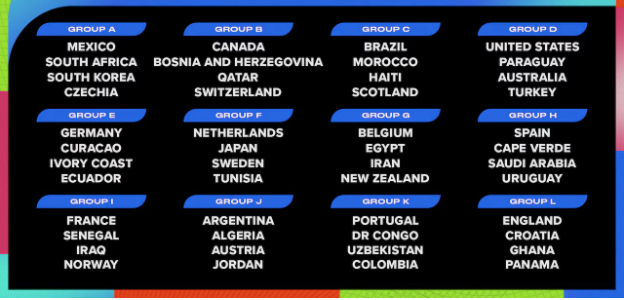
The World Cup is now going to have 48 teams, which means there will be surprises and since it is being held in the United States, Canada and Mexico teams will have to deal with different weather, heights and travel problems. This tournament is going to favor teams that can handle situations over teams that are just well known.
For people who want to follow these changes in time there are tools like the Bitget Wallet that let them take part in predicting what will happen in a safe and secure way. This lets them watch what is happening and make decisions as things change.
In this article we look at the World Cup Dark Horses 2026 by looking at how strong they are what people think will happen and how much risk they are taking. The World Cup Dark Horses 2026 are not about which team's popular but about which teams have a strong foundation that is better than what people think they are worth.
Key Takeaways
- Dark Horse Definition: Teams whose structural indicators exceed implied probability World Cup betting pricing.
- Top Contenders: Ecuador national football team, Colombia national football team, Japan national football team, United States men's national soccer team, Morocco national football team, South Korea national football team.
- Tactical Advantages: Defensive compactness, midfield control, counter efficiency, squad depth.
- Prediction Market Insight: prediction market odds for World Cup 2026 may underprice structural teams.
World Cup Dark Horse 2026: What to Expect from the Underdogs?
A World Cup Dark Horse is not simply a surprise team — it is a structurally capable contender whose probability is underestimated relative to elite favorites. In modern tournaments, expanded formats and market pricing create inefficiencies.
Source X & Youtube
Historical anchors validate this framework:
- Costa Rica national football team (2014) — compact defense, penalty resilience
- Croatia national football team (2018) — midfield endurance
- Morocco national football team (men's team"] (2022) — defensive structure + counter efficiency
A 2026 World Cup Dark Horse is defined not by surprise potential, but by structural strength that exceeds its market-implied probability. The expanded format creates more structural opportunity for World Cup 2026 Underrated Teams.
What Structural Factors Define a True 2026 World Cup Dark Horse?
A 2026 World Cup Dark Horse is a team whose defensive organization, midfield control, attacking efficiency, and tournament resilience exceed its implied probability World Cup betting pricing.
1. Defensive Compactness
Heat, humidity, and travel reward compact teams. Knockout football narrows margins for error. Many World Cup 2026 Underrated Teams rely on disciplined defensive blocks and transition efficiency rather than possession dominance.
Key structural elements include:
- Low defensive block coordination to limit central penetration
- Vertical compactness (25–30m spacing) between defensive and midfield lines
- Full-back restraint to prevent counter-exposure
- Set-piece defensive efficiency, critical in tight knockout matches
2. Midfield Control Reduces Tournament Variance
Midfield structure dictates tempo. In the 48-team World Cup format impact scenario, high-heat matches amplify fatigue. Teams that control tempo reduce variance and manage recovery cycles.
For a 2026 World Cup Dark Horse, midfield structure becomes a probability stabilizer.
Key factors include:
- Ball-retention midfielders capable of slowing tempo under pressure
- Press resistance in high-intensity knockout matches
- Energy-efficient circulation to conserve physical output
- Tactical fouling awareness to disrupt opponent momentum
3. Squad Depth
An expanded knockout stage increases minutes played. Squad depth becomes non-linear in value. A single elite attacker can shift probability curves.
For World Cup Dark Horses 2026, depth transforms structural resilience into sustained competitiveness.
Critical depth indicators:
- Rotation-ready defenders who maintain defensive compactness
- Bench attackers capable of late-game volatility shifts
- Set-piece specialists for low-scoring knockout environments
- Multi-position midfielders to adjust tactical systems
- Physical recovery capacity across climate zones (USA humidity, Mexico altitude)
In tournament probability modeling, depth increases ceiling without sacrificing floor — a defining trait of a serious 2026 World Cup Dark Horse.
4. Counter Efficiency
Low-possession knockouts reward teams that convert limited chances. Climate adaptability — from Mexico altitude to U.S. humidity — favors flexible tactical systems.
Climate adaptability also matters. Mexico’s altitude slows transitions. U.S. humidity increases fatigue. Tactical systems must remain flexible across environmental conditions.
Core counter-efficiency metrics include:
- Progressive carries per transition phase
- xG per counter-attack sequence
- Wide isolation success rate (1v1 effectiveness)
- Vertical passing speed after regains
- Decision quality in 3v3 or 4v3 break situations
A team that converts one of three counter opportunities in knockout play dramatically outperforms its implied probability World Cup betting pricing. That is why counter efficiency remains a foundational marker when evaluating World Cup Dark Horses 2026.
| Factor | Why It Matters in 2026 | Example Teams |
| Defensive Structure | Heat favors compact systems | Morocco |
| Midfield Control | Slows tempo in hot matches | Colombia |
| Squad Depth | Extra knockout round | Japan |
| Counter Efficiency | Low-possession knockouts | Ecuador |
How Are World Cup Dark Horses 2026 Priced in Prediction Markets?
World Cup Dark Horses 2026 are priced by probability — not tactical nuance. prediction market odds for World Cup 2026 convert narrative into percentage expectations.
How Are Betting Odds Converted Into Implied Probability?
American odds such as +1800 convert to approximately 5% implied probability World Cup betting. In simple terms, the market estimates that team would win five times out of one hundred simulated tournaments. This conversion transforms narrative into quantifiable expectation — and it is central to evaluating World Cup Dark Horses 2026.
The basic American odds conversion formula for positive odds is: Implied Probability = 100 / (Odds + 100)
For example:
- +1800 → 100 / (1800 + 100) ≈ 5.26%
- +3500 → 100 / (3500 + 100) ≈ 2.78%
- +2200 → 100 / (2200 + 100) ≈ 4.35%
- +4000 → 100 / (4000 + 100) ≈ 2.44%
However, structural probability may diverge from public perception. Markets reflect:
- Crowd psychology
- Media narratives
- Betting volume distribution
- Brand recognition
They do not always fully account for tactical structure, matchup pathways, or the 48-team World Cup format impact. This divergence is where a 2026 World Cup Dark Horse can emerge.
Read more: World Cup Odds 2026: How Prediction Markets Compare with Traditional Betting Lines
Why Can Markets Misprice 2026 World Cup Dark Horse Teams?
Markets are efficient — but not perfectly efficient. Several structural distortions can create pricing gaps between World Cup 2026 Favorites vs Dark Horses.
Key mispricing drivers include:
-
Host nation advantage World Cup 2026 premium
Markets may inflate odds for host nations due to emotional and media momentum rather than structural strength.
-
Brand bias toward traditional powers
Historic champions often receive pricing protection even when current squads lack peak form.
-
Recency bias
Teams with strong recent tournament runs may be overpriced relative to long-term structural indicators.
-
Star inflation
One globally recognized player can skew perception beyond tactical reality.
-
Public betting flow concentration
Heavy retail betting can shorten odds artificially, reducing true value.
This gap explains why identifying World Cup 2026 Underrated Teams requires separating pricing from performance structure.
| Team | Market Odds | Implied Probability |
| Colombia | +1800 | ~5% |
| Japan | +3500 | ~2.7% |
| USA | +2200 | ~4.3% |
| Ecuador | +4000 | ~2.4% |
Markets may price perception — but structural evaluation may identify the true 2026 World Cup Dark Horse.
Where Is the Probability Gap Between Structure and Market Pricing?
This is the core of identifying a 2026 World Cup Dark Horse among World Cup 2026 Underrated Teams.
Is Colombia an Underpriced Structural Contender?
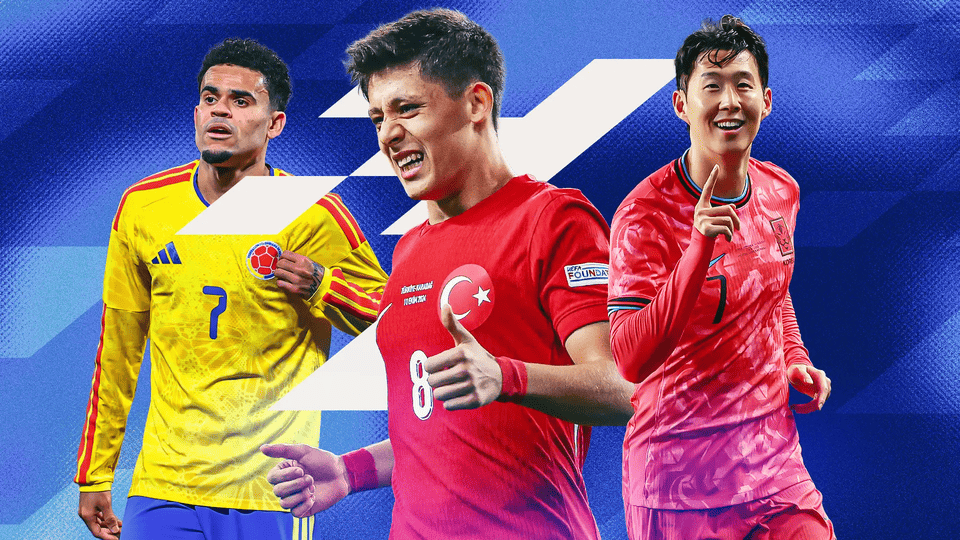
The Colombia national football team enters the tournament cycle as one of the most intriguing World Cup Dark Horses 2026 candidates. Historically shaped by CONMEBOL intensity, Colombia’s structural resilience often exceeds external expectations. When evaluating a 2026 World Cup Dark Horse, the key question is whether tactical indicators suggest a higher tournament ceiling than its implied probability World Cup betting price.
Source X
Colombia combines midfield control, pressing discipline, and elite wide isolation threats. These characteristics are particularly valuable in the 48-team World Cup format impact scenario, where fatigue and knockout volatility amplify the value of structural balance.
-
CONMEBOL Qualification Resilience
South American qualification cycles are among the most competitive globally, building tactical durability under pressure.
-
Midfield Stability & Tempo Control
Ability to slow transitions and reduce variance — critical in high-heat North American venues.
-
Elite Wing Threats in Isolation
Players like Luis Díaz provide 1v1 volatility, increasing upset probability in low-possession matches.
-
Pressing Efficiency
Coordinated high press without overcommitting shape — preserving defensive compactness.
-
Transition Defense Recovery Speed
Minimizes exposure after turnover, reducing high-xG concessions.
Does Ecuador Offer Defensive Strength at Low Pricing?
The Ecuador national football team consistently profiles as one of the most defensively disciplined World Cup 2026 Underrated Teams. Ecuador thrives in structured systems built around compact spacing, vertical transitions, and physical midfield balance. Historically comfortable in altitude conditions, they adapt well to environmental stress — an important variable in the 48-team World Cup format impact across North America.

Source X
If Ecuador is priced in the 2–3% implied probability World Cup betting range, markets may be underestimating their structural floor.
Defensive & Structural Indicators:
- Low block compactness limiting central penetration
- Efficient defensive transitions after turnover
- Athletic midfield screening protecting back line spacing
- Set-piece threat in low-scoring matches
- Comfort in varied climate conditions
Is Japan Structurally Stable but Market-Capped?
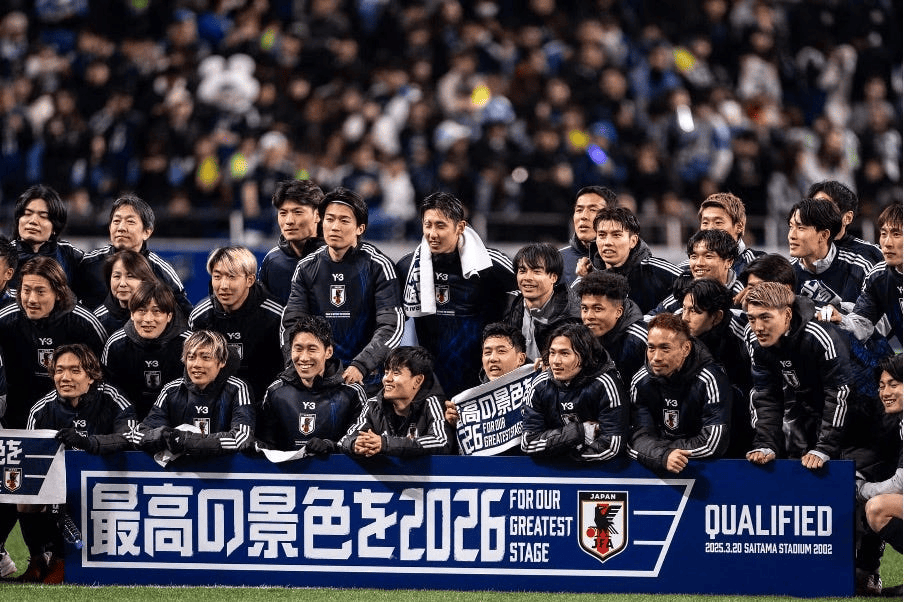
The Japan national football team represents one of the most tactically disciplined sides entering the tournament cycle. With a core of European-based players and high tactical IQ, Japan combines pressing organization, tempo control, and defensive recovery speed — traits aligned with successful 2026 World Cup Dark Horse profiles.
Source X
However, markets may impose a psychological ceiling. Perception often frames Japan as competitive but not title-capable — suppressing implied probability World Cup betting pricing below structural reality.
Key Structural Strengths:
- Coordinated pressing triggers without losing compactness
- Ball retention under pressure to reduce variance
- Fast wide transitions in isolation phases
- Tactical flexibility between possession and counter phases
- Experience against elite European competition
Is the USA Overpriced Due to Host Nation Advantage?
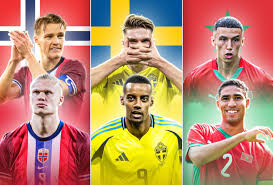
The United States men's national soccer team benefits from host nation advantage World Cup 2026 — including travel familiarity, crowd momentum, and climate acclimatization. Historically, host nations experience measurable performance uplift in early knockout rounds.
However, markets may price emotional narrative into odds more aggressively than structural metrics justify.
Source X
Potential Overpricing Factors:
- Media-driven optimism cycles
- Public betting flow concentration
- Inflated expectations around emerging stars
- Assumption of automatic home-field edge
Read more United States in the World Cup Prediction Market: Can the Golden Generation Outperform the Odds?
Does the 48-Team World Cup Format Increase Dark Horse Probability?
The 48-team World Cup format impact is central to evaluating World Cup Dark Horses 2026.
- 12 groups
- 32 knockout spots
- More third-place qualifiers
- Extra knockout round increases fatigue variance
- Travel dispersion across North America
| Tournament | Teams | Knockout Spots | Upset Depth |
| 2022 | 32 | 16 | Morocco SF |
| 2026 | 48 | 32 | Increased variance |
Expanded format structurally increases probability for World Cup Dark Horses 2026 and reshapes 2026 World Cup Predictions.
Which Teams Could Shock the 2026 World Cup?
Which teams could shock the 2026 World Cup under structural and pricing criteria? Below are the best World Cup dark horse teams 2026.
1. Ecuador – South America’s Underrated Contender
The Ecuador national football team continues to project as one of the most structurally disciplined sides outside the traditional favorites.
Key Player: Moisés Caicedo
Defensive compactness and midfield energy define Ecuador’s tournament profile. Their double-pivot stability, physical duels, and transition discipline create a high defensive floor — critical in knockout formats where margins compress.
If market odds sit near +4000 (~2–3% implied probability), the gap between structural resilience and betting price creates asymmetric upside — a defining characteristic of a World Cup Dark Horses 2026 candidate.
2 Colombia – Potential to Go Deep
The Colombia national football team blends CONMEBOL resilience with attacking volatility.
Key Player: Luis Díaz
Colombia’s counter-transition strength and elite wing isolation create knockout volatility — exactly the profile that disrupts possession-dominant favorites. Their pressing balance allows aggression without structural collapse.
As a 2026 World Cup Dark Horse, Colombia’s implied probability World Cup betting may lag behind underlying structural indicators such as:
- Defensive recovery speed
- Wide 1v1 success rate
- Press resistance in midfield
- Counter conversion efficiency
In compressed knockout pathways, that volatility can materially shift tournament probability curves.
3. Japan – Asia’s Tactical Machine
The Japan national football team represents one of the most tactically stable teams entering the 2026 cycle.
Key Player: Kaoru Mitoma
European tactical exposure, pressing organization, and collective discipline make Japan one of the best World Cup dark horse teams 2026 from a structural perspective. They rarely lose compactness, even against higher-possession opponents.
Core strengths include:
- Coordinated pressing triggers
- Structured buildup under pressure
- Rapid flank progression
- Tactical adaptability between phases
Markets may apply a perception ceiling, but structurally, Japan’s stability reduces variance — a powerful trait in the expanded format.
4. USA – Host Narrative vs Structure
The United States men's national soccer team benefits from host nation advantage World Cup 2026 — travel familiarity, crowd momentum, and climate adaptation.
Key Player: Christian Pulisic
Host conditions can elevate baseline probability. However, distinguishing structural ceiling from narrative inflation is critical when evaluating pricing. Structural positives:
- Athletic pressing profile
- Depth across attacking roles
- Transition speed in open-field phases
Risk factors:
- Inconsistent defensive compactness
- Emotional pricing from public betting flow
- Overreliance on star-driven narrative
Separating host uplift from emotional premium determines whether the USA represents value or volatility.
6. Morocco & South Korea – Experienced Outsiders
The Morocco national football team and the South Korea national football team combine tournament experience with strong structural identity.
Morocco’s recent deep-run pedigree reinforces their defensive compactness and transition threat, while South Korea’s tactical discipline and pace on the break translate well into knockout football.
Shared Dark Horse Traits:
- Compact defensive blocks
- Quick vertical counter phases
- High-intensity work rate
- Tactical adaptability against stronger possession sides
For World Cup 2026 Underrated Teams, structure often outweighs brand hierarchy. In expanded knockout formats, experienced outsiders with disciplined systems can outperform implied probability World Cup betting expectations — especially when pricing reflects perception more than repeatable performance metrics.
Which World Cup Individual Players Can Shift Dark Horse Probability?
In knockout football, structure sets the floor — but elite attackers shift ceilings. World Cup Dark Horses 2026 often hinge on volatility amplifiers: players who can convert one moment into disproportionate probability movement.
In compressed tournaments, a single transition goal or isolated 1v1 win can materially alter bracket pathways. That is where high-leverage attackers become structural multipliers.
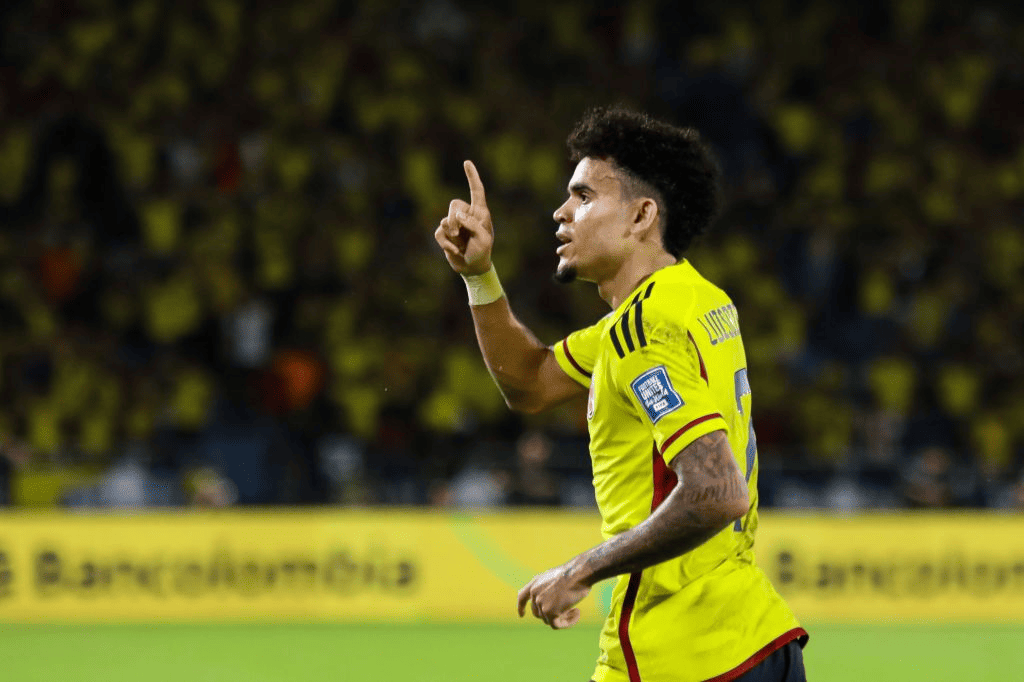
Luis Díaz — Colombia’s High-Leverage Breaker
For the Colombia national football team, Díaz functions as a volatility engine. His transition speed and 1v1 isolation ability raise Colombia’s structural ceiling beyond baseline defensive metrics.
Source youtube
Impact Factors:
- Elite acceleration in counter phases
- Ability to create shots without buildup dependency
- Draws double coverage, opening weak-side lanes
- Converts low-possession matches into decisive moments
In a low-scoring knockout, one successful wing isolation can swing expected goals — and therefore tournament probability.
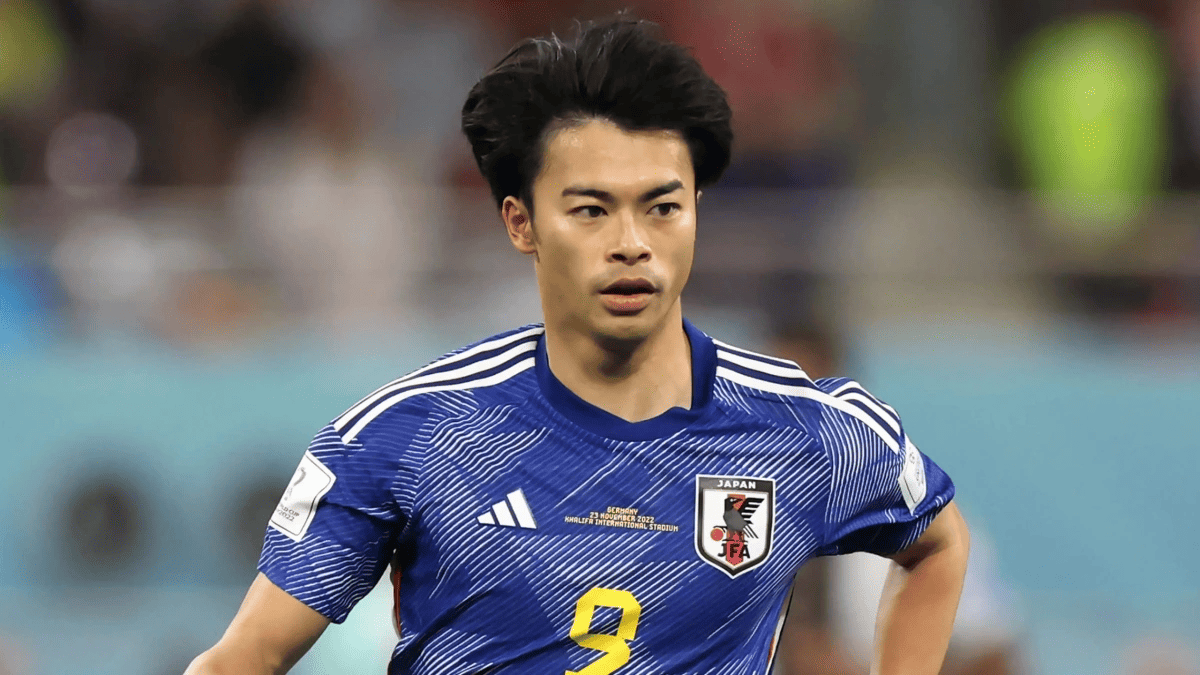
Kaoru Mitoma — Japan’s Accelerator
For the Japan national football team, Mitoma represents controlled acceleration within a disciplined system. Japan’s structure emphasizes spacing, pressing coordination, and defensive compactness — but Mitoma provides the creative rupture that can destabilize organized back lines.
Source X
Why He Shifts Dark Horse Probability:
- Breaks compact defenses in 1v1 isolation
- Maintains positional discipline within pressing phases
- Creates shot opportunities without requiring high possession volume
- Forces defensive shape distortions that open central lanes
Japan’s tactical stability sets the floor. Mitoma’s dribbling elasticity raises the ceiling — a crucial dynamic for a World Cup Dark Horses 2026 candidate operating in low-margin knockout matches.
Christian Pulisic — Host Narrative vs Impact
For the United States men's national soccer team, Pulisic sits at the intersection of structural impact and host narrative momentum. In knockout phases, high-variance attackers can disproportionately influence single-elimination outcomes.

Source X
Impact Variables:
- Direct dribble penetration in transition
- Shot creation in broken defensive sequences
- Ability to draw fouls in high-leverage zones
- Emotional lift within home venues
The key analytical question is separation:
Is pricing driven by measurable structural contribution — or amplified by host nation advantage World Cup 2026 narrative?
If Pulisic consistently shifts expected goals in tight matches, his presence justifies elevated probability. If performance remains streak-dependent, volatility increases without guaranteeing structural upside.
How Can Investors Safely Track and Trade World Cup Dark Horses 2026 Using Bitget Wallet?
Prediction markets adjust pricing in real time. Investors analyzing World Cup Dark Horses 2026 must monitor implied probability World Cup betting shifts responsibly.
How Do Yes–No Prediction Contracts Reflect Crowd Probability?
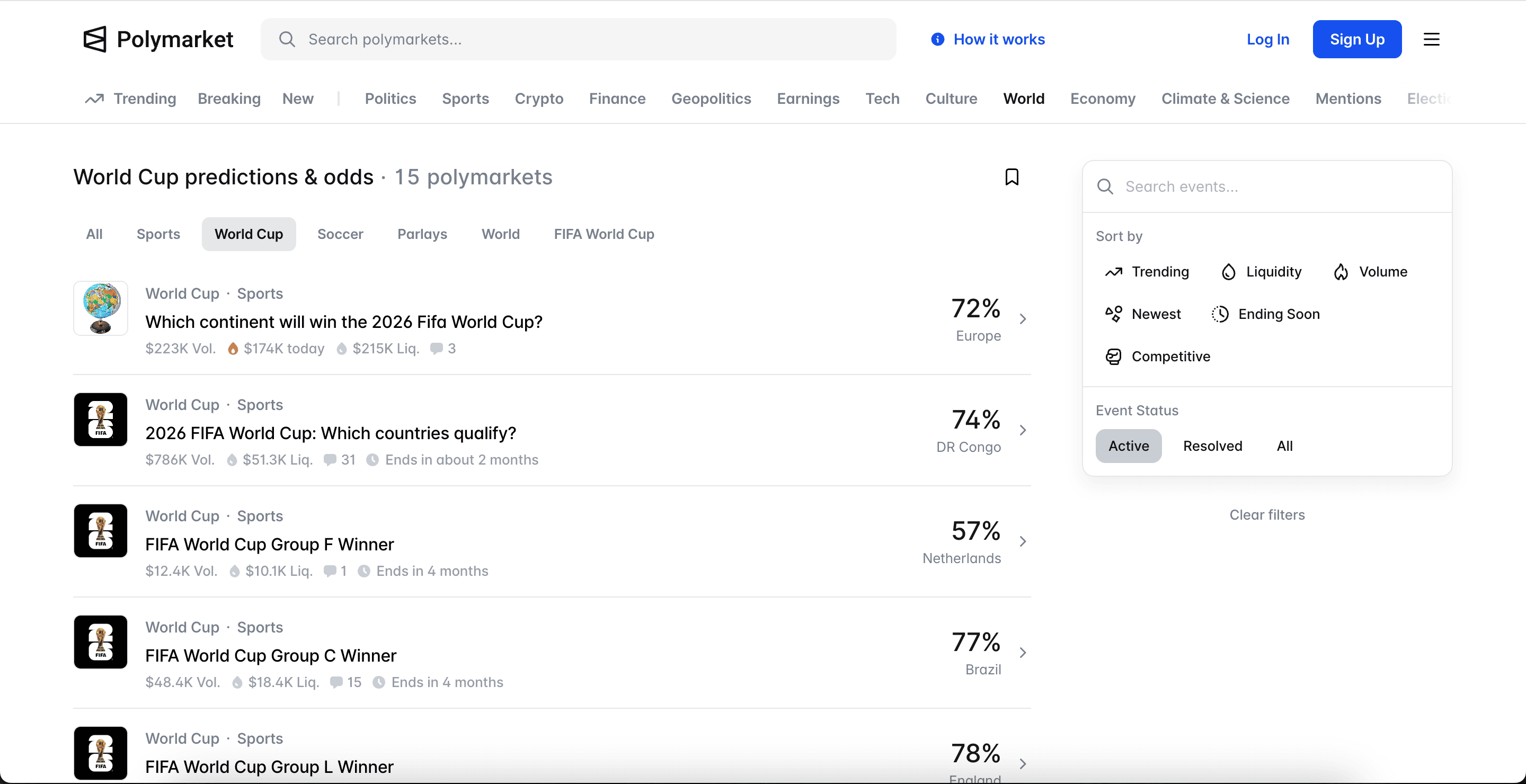
In yes–no prediction markets, the contract price directly reflects crowd-implied probability. If a contract trades at 0.40, the market is collectively pricing a 40% likelihood of that outcome occurring.
As performance data, injuries, and tactical adjustments unfold, pricing updates dynamically. This creates a feedback loop:
- Strong performances → Probability rises → Price increases
- Negative shocks → Probability falls → Price declines
- New information → Volatility spikes → Spread narrows
Over time, structural edges tend to compress as markets absorb data. Early mispricings often shrink once lineup clarity, tactical identity, and bracket pathways become visible.
Source X
For World Cup 2026 contexts, prediction pricing may adjust based on:
- Qualification form
- Injury reports
- Tactical cohesion indicators
- Public betting flow
- Media narrative cycles
Read more: How to Trade on Yes-No Market: A Practical Guide to Binary Prediction Trading
Yes-No Market vs Polls: What Investors Should Know About Signal Quality and Bias
How Can You Use Bitget Wallet Securely?
Bitget Wallet enables decentralized asset management for users participating in digital markets.
Core features include:
- Non-custodial asset control — Users retain private key ownership
- Cross-chain access — Interaction across multiple blockchain ecosystems
- Stablecoin management — Facilitates volatility control within crypto portfolios
- Secure participation in decentralized prediction markets
Security best practices when using any non-custodial wallet:
- Store seed phrases offline
- Never share private keys
- Use hardware wallet integration where possible
- Verify contract addresses before transactions
- Avoid interacting with unverified links
Security discipline is structural risk control in digital asset participation.
What Risk Management Strategies Should Investors Apply During the Tournament?
Investors evaluating World Cup Dark Horses 2026 should approach tournament markets with structured discipline rather than reactive positioning. As knockout volatility increases and implied probabilities shift match by match, tools like Bitget Wallet can help users monitor real-time prediction pricing, maintain non-custodial asset control, and adjust decentralized market exposure securely as tournament probabilities evolve. However, secure access is only one component — strategy determines sustainability.
-
Avoid emotional overexposure.
Do not overweight positions based on national loyalty, media narratives, or short-term momentum swings.
-
Reassess implied probability shifts.
Compare updated market pricing against structural indicators such as defensive performance, injury impact, and bracket pathway difficulty.
-
Track volatility across knockout stages.
Early-round pricing inefficiencies often compress as data accumulates. Later stages typically reflect sharper probability consensus.
-
Diversify exposure.
Spread allocation across multiple structural candidates or time horizons rather than concentrating capital on a single dark horse thesis.
Related Reading on World Cup Prediction Markets Trading
If you're exploring World Cup prediction markets — from understanding how yes-no contracts work to evaluating legality and risk management — these guides will help you trade event-based probabilities more strategically.
🔹 Understanding Prediction Market Basics
- What Is a Prediction Market in Crypto and How Blockchain-Based Prediction Markets Work
- What Is a Yes No Market: How Investors Trade Probabilities Using Yes-or-No Contracts
🔹 World Cup Prediction Market Strategy
- World Cup Prediction Market: Complete Guide to Trading the 2026 World Cup
- World Cup Predictions 2026: Who Will Win Based on Power Rankings and Market Trends
- World Cup Odds 2026: How Prediction Markets Compare with Traditional Betting Lines
- World Cup Dark Horses 2026: Underrated Teams That Could Shock the Tournament
- United States in the World Cup Prediction Market: Can the Golden Generation Outperform the Odds?
🔹 Legal & Risk Considerations
- Is Prediction Market Legal: US Federal vs State Laws Explained
- What You Need to Know About Prediction Market Before You Bet
Conclusion
World Cup Dark Horses 2026 represent structural opportunity within a tournament shaped by expanded format dynamics, climate variance, and evolving market pricing. Teams such as the Ecuador national football team, Colombia national football team, Japan national football team, United States men's national soccer team, Morocco national football team, and the South Korea national football team exhibit defensive structure, midfield control, and transition efficiency that may exceed their implied probability World Cup betting pricing.
In a 48-team format where volatility increases and margins narrow, separating narrative from structural probability becomes essential for disciplined 2026 World Cup analysis. Monitoring price movement, reassessing structural indicators, and managing exposure securely — including through tools such as Bitget Wallet for decentralized prediction market participation — allows readers to stay positioned as tournament probabilities evolve.
Sign up Bitget Wallet now - grab your $2 bonus!
FAQs
1. What Does “Dark Horse” Mean in the World Cup Context?
A dark horse is a team whose structural performance indicators exceed its implied probability World Cup betting pricing.
2. Which Teams Are Considered Dark Horses for 2026?
Ecuador, Colombia, Japan, USA, Morocco, and South Korea are leading World Cup 2026 Underrated Teams candidates.
3. How Do Prediction Markets Determine Dark Horse Odds?
prediction market odds for World Cup 2026 convert public expectation into implied probability percentages.
4. Can Hosting the World Cup Boost a Team’s Chances?
Yes. Host nation advantage World Cup 2026 can increase baseline probability — but markets may overprice narrative factors.
Risk Disclosure
Please be aware that cryptocurrency trading involves high market risk. Bitget Wallet is not responsible for any trading losses incurred. Always perform your own research and trade responsibly.