What Is American Dollar Reserve (ADR)? Is ADR Coin a Stablecoin and How It Works?
What is American Dollar Reserve (ADR)? American Dollar Reserve (ADR) is a Solana-based SPL token traded primarily through decentralized exchanges. Despite the name “American Dollar Reserve,” ADR is not confirmed to be a USD-backed stablecoin, and publicly verifiable reserve collateral has not been established. Instead, the token behaves like a speculative micro-cap asset whose price is determined by liquidity pools, trading demand, and market sentiment. Before interacting with ADR, users should verify the official contract address, review liquidity depth, and understand the volatility risks associated with early-stage tokens.
With the backing of public market liquidity and community speculation (and with no widely verifiable institutional sponsors or regulated reserve disclosures consistently shown across mainstream listings), American Dollar Reserve (ADR) isn’t just a passing label—it’s a token whose upside and downside are typically driven by trader participation, pool depth, and momentum cycles. This article breaks down what ADR is, how it trades, and what to verify before taking exposure—plus how Bitget Wallet fits as a practical toolkit: Secure Stablecoin Storage for risk management, Hot Memecoin Trading for fast on-chain execution, and a Seamless Cross-chain Experience to move capital efficiently when liquidity and opportunities shift.
Key Takeaways
- American Dollar Reserve (ADR) is a Solana-based token whose price is driven by on-chain liquidity and market demand, not by any automatic USD peg.
- “Reserve/dollar” branding is narrative, not proof of backing—treat ADR as a high-volatility micro-cap unless the project publishes verifiable collateral + redemption mechanics.
- Before trading ADR, verify the exact Solana mint address and liquidity pool (avoid copycat tokens), and size risk accordingly.
What Is American Dollar Reserve (ADR) and Why It Matters?
American Dollar Reserve (ADR) is a Solana SPL token that trades mainly through on-chain liquidity pools, meaning the ADR token price is determined by supply, demand, and pool depth rather than a guaranteed USD redemption mechanism.
Importantly, despite the “dollar reserve” naming, widely accessible listings describe ADR as not a government-backed stablecoin and not inherently 1:1 USD-pegged—so it should be treated like a market-priced, high-volatility token unless the project publishes verifiable collateral + redemption details.
In simple terms, ADR crypto is a market-priced Solana token, meaning its value moves based on trading activity, liquidity depth, and community attention rather than a fixed peg to the dollar.
Why It Matters?
Why it matters is that ADR’s branding can be misread as “USD-backed”, while in practice its risk profile looks closer to a micro-cap Solana token: liquidity can be thin, price impact can be large, and copycat tokens can exist—so traders need to verify the exact mint address and pool before interacting.
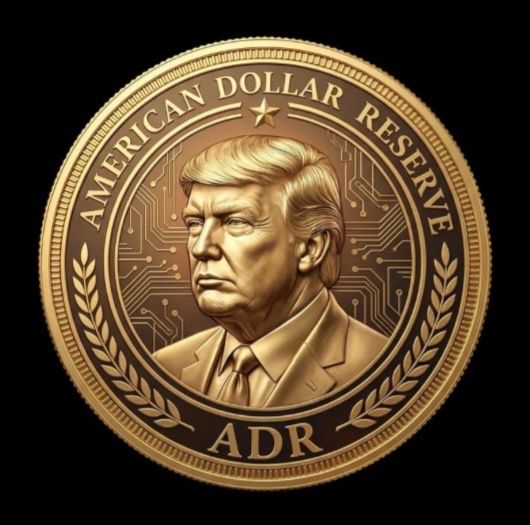
Source: Bitget Wallet
American Dollar Reserve (ADR) Listing Details and Launch Date
1. Key Listing Information
At the time of writing, American Dollar Reserve (ADR) does not have widely verified centralized exchange listing information across major trading platforms. The token is primarily observed trading through decentralized markets on the Solana network.
- Exchange: To be announced
- Trading Pair: ADR/USDT
- Deposit Available: To be announced
- Trading Start: To be announced
- Withdrawal Available: To be announced
Don’t miss your chance to start trading American Dollar Reserve (ADR) once official listing details go live—track the announcement closely so you can act quickly when deposits and trading open.
- Please refer to the official announcement for the most accurate schedule.
American Dollar Reserve (ADR) Price Prediction and Outlook 2026
Since ADR trades primarily as a micro-cap token on the Solana network, its price is largely influenced by liquidity depth and trader participation in on-chain markets. This means the token’s value can vary significantly across different market cycles as liquidity conditions and trading interest change.
Micro-cap assets like ADR often experience sharp price rallies during periods of heightened speculation and increased trading activity. However, when market attention fades or liquidity declines, these tokens can also face rapid price corrections, reflecting the sensitivity of small-cap assets to shifts in market sentiment and volume.
Key Factors Impacting American Dollar Reserve (ADR) Price
Several aspects influence the potential price movement of American Dollar Reserve (ADR):
- Market Conditions: ADR is highly sensitive to risk-on/risk-off shifts in Solana micro-caps; thinner liquidity can amplify volatility and slippage, while broad market momentum can accelerate upside moves.
- Adoption & Utility: ADR demand is primarily driven by trading participation and liquidity conditions unless the project publishes verifiable mechanisms that create sustained utility beyond speculation.
- Project Expansion: Any sustained repricing typically requires measurable catalysts such as deeper liquidity, broader distribution, and credible updates that translate into consistent volume.
Future Price Outlook
As American Dollar Reserve (ADR) expands further in Solana’s on-chain trading ecosystem, growing adoption could drive demand higher. Analysts and market trackers generally imply that continued liquidity growth and stronger market integration could push its price toward $0.00250 under favorable conditions, while weaker liquidity could keep ADR range-bound or volatile. Before investing, individuals should carefully assess market risks, policy developments, and overall economic stability to make informed choices.
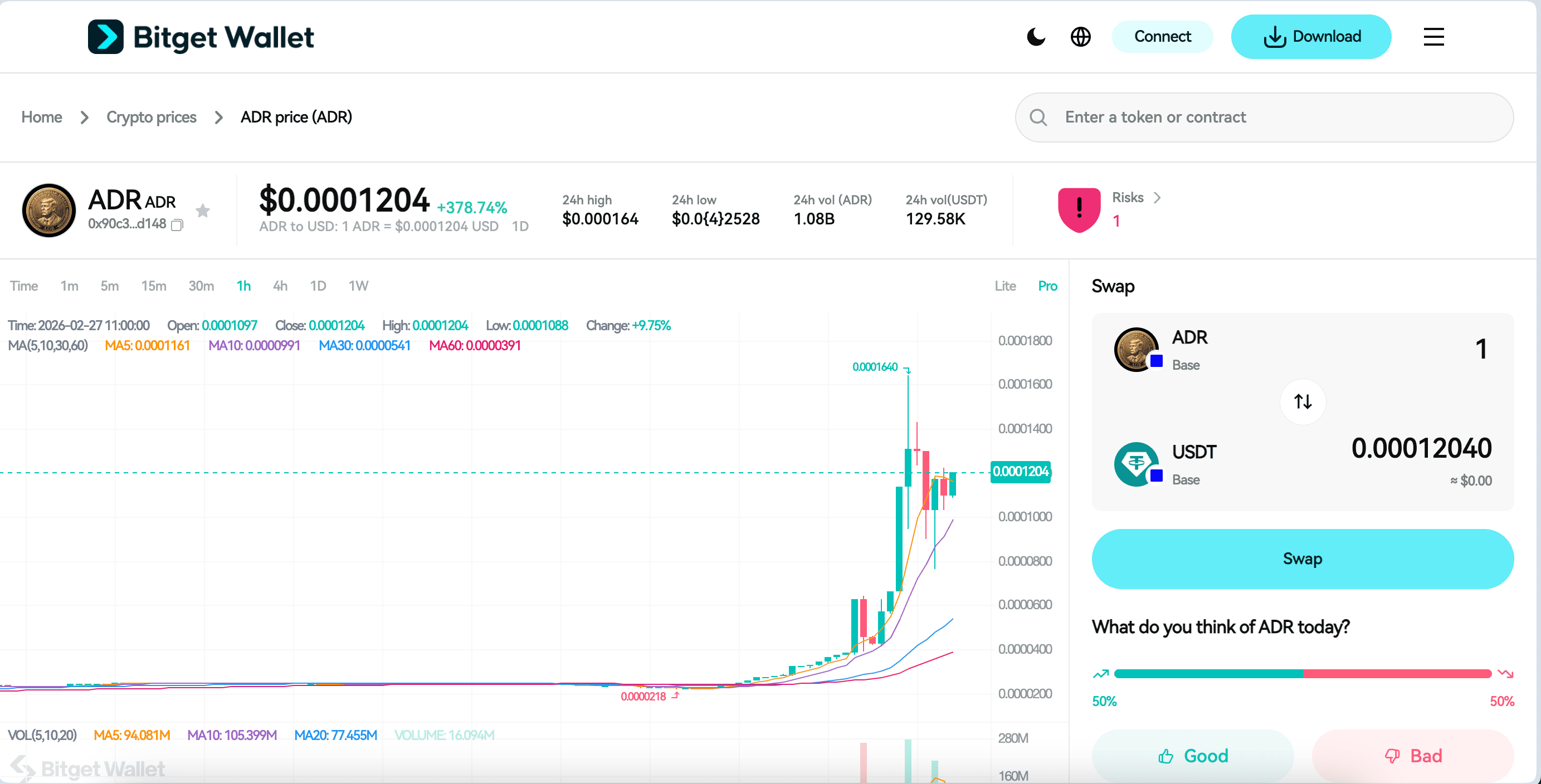
Source: Bitget Wallet
American Dollar Reserve (ADR) Features: What Sets It Apart?
The standout features of American Dollar Reserve (ADR) include:
-
Solana SPL Token (Fast, Low-Fee On-Chain Transfers)
ADR is issued as a Solana SPL token, meaning it uses Solana’s token standard and can be transferred and interacted with across Solana wallets, DEXs, and on-chain apps with typically low transaction costs and fast settlement.
-
Liquidity-Pool Price Discovery (Market-Driven, Not a Guaranteed USD Peg)
ADR’s price is formed primarily through on-chain liquidity pools (e.g., ADR/SOL pools). That structure makes ADR liquidity- and sentiment-driven, where slippage, pool depth, and trading demand can move price sharply—unlike a fully disclosed, redeemable stablecoin model.
-
Transparent On-Chain Activity Metrics (Holders, Volume, Trades)
Because ADR is on Solana, key market signals—such as holder count, 24h volume, trade count, and trader activity—are observable via token trackers and explorers. Some major wallet/token pages also flag ADR as “unverified,” which is a practical risk signal and a reminder to verify the mint before interacting.
How American Dollar Reserve (ADR) Works and Delivers Value?
The architecture of American Dollar Reserve (ADR) is designed with multiple elements that work together to support adoption and provide lasting value. The ADR token operates similarly to other Solana memecoin-style assets, where liquidity pools determine price and traders interact through decentralized exchanges.
-
Blockchain Infrastructure
Utilizes Solana (SPL token standard) to optimize transaction efficiency and reduce costs, enabling fast transfers and friction-light on-chain trading across Solana wallets and DEX venues.
-
Token Utility
Serves primarily as a tradable on-chain asset whose “value delivery” is driven by liquidity-pool price discovery (market demand + pool depth). In practice, ADR’s usage is most clearly expressed through swaps/trading and liquidity activity on Solana, rather than a confirmed set of protocol utilities (e.g., staking, governance, or redeemable reserve mechanics) published in an official technical specification.
Governance & Community Engagement
Holders of $ADR can participate economically by trading, providing liquidity, and tracking on-chain activity (volume, market cap estimates, and token metrics) via major token pages and explorers. However, there is no widely verifiable, official governance framework (e.g., DAO voting, proposals, treasury rules) clearly documented in mainstream listings—so any “governance” claims should be treated as unconfirmed unless backed by a public governance portal or docs.
The Team Behind American Dollar Reserve (ADR): Experts Driving Innovation
The Companies
At the time of writing, there isn’t a clearly verified company or publicly documented core team (e.g., named founders, a registered entity, or an official corporate profile) consistently referenced across major public listings for American Dollar Reserve (ADR), and multiple trackers frame ADR as a Solana-based token without publicly verifiable evidence of regulated “USD reserve” backing or institutional sponsorship tied to its branding; in practice, this usually means ADR trades more like a community-driven Solana micro-cap than a product run by a disclosed organization—neither inherently good nor bad, but it raises the bar on how you assess credibility, prioritizing clear docs, verifiable ownership, and transparent communications over narrative claims.
The Organization’s Partnerships
Similarly, there are no widely verifiable partnership disclosures (e.g., signed integrations, public announcements from counterparties, or formal ecosystem partners) that can be reliably cited from mainstream sources for ADR. If partnerships exist, they are not presented in a way that’s consistently verifiable through reputable, primary documentation.
How They Work Together?
Because team + partnerships aren’t clearly documented, ADR’s ecosystem “coordination” is best understood through market infrastructure rather than corporate execution:
- Solana token rails provide the base layer for transfers and composability.
- Liquidity pools + DEX venues provide price discovery and tradability (demand, pool depth, and volume drive outcomes).
- Community attention (social narratives, memes, trading interest) tends to be the main growth lever when there’s no transparent roadmap/team structure.
How American Dollar Reserve (ADR) is Used: Practical Benefits
American Dollar Reserve token (ADR) is mainly used as a Solana on-chain trading asset—people swap it in liquidity pools, transfer it between wallets like any SPL token, and (where pools exist) provide liquidity to earn a share of trading fees. Because ADR’s price is set by market demand + liquidity depth, it’s typically used by traders looking for short-term volatility, and by speculators positioning around narrative-driven attention cycles.
ADR’s Benefits
- Fast, low-friction transfers on Solana: ADR can move quickly between wallets and apps as a standard SPL token.
- On-chain liquidity access: If a liquid pool exists, users can swap in/out without relying on a centralized listing.
- Liquidity-provider participation: Users can supply ADR in pools (paired with another asset) and potentially earn trading fees—with the usual LP risks (impermanent loss, pool volatility).
- Transparent market signals: Volume, trades, and holder changes are visible on-chain, which helps users evaluate liquidity and momentum before interacting.
Is American Dollar Reserve (ADR) a Stablecoin?
Despite its name, American Dollar Reserve (ADR) should not automatically be assumed to be a stablecoin. Stablecoins normally maintain a fixed peg through collateral reserves or algorithmic mechanisms, while ADR trades freely on the market. Unless verifiable reserve backing and redemption systems are published, ADR functions more like a speculative Solana token.
American Dollar Reserve (ADR) Roadmap: Key Milestones and Future Developments
The roadmap for American Dollar Reserve token (ADR) outlines a clear path for growth and innovation:
| Quarter | Roadmap |
| Q1 2026 | Improve transparency layer: publish a clear “what ADR is / isn’t” explainer (including any backing claims), standardize official links, and make contract verification easy (mint, pools, socials, docs). |
| Q2 2026 | Liquidity & access expansion: deepen Solana liquidity (target tighter spreads + lower slippage), pursue additional trading venues, and roll out basic ecosystem incentives (e.g., LP campaigns) with measurable KPIs (TVL/volume/holders). |
| Q3 2026 | Utility development: introduce tangible use cases beyond trading—such as integrations with Solana apps (payments, tipping, community utilities) or verified mechanics that support the “reserve” narrative (only if fully documented and auditable). |
| Q4 2026 | Scale & governance readiness: formalize community process (proposal forum, voting framework if applicable), strengthen security practices (audits/monitoring where relevant), and expand integrations to sustain long-term demand. |
These applications highlight the practical value of $ADR in Solana’s on-chain trading and liquidity ecosystem.
What Are the Risks of ADR Coin?
American Dollar Reserve (ADR) carries several risks that traders should consider before interacting with the token. Like many early-stage digital assets, ADR’s market behavior can be influenced by liquidity conditions, transparency levels, and naming assumptions within the crypto market.
-
Liquidity risk
Because ADR is a relatively small token, price movements can change rapidly when large trades enter or exit liquidity pools. In markets with shallow liquidity, even moderate trading volume can create significant price swings and slippage.
-
Naming confusion
The name “American Dollar Reserve” may lead some users to assume the token is backed by USD reserves, which has not been publicly verified. Without confirmed collateral mechanisms or redemption systems, ADR should not automatically be treated as a stablecoin.
-
Transparency limitations
Public information about the project’s governance structure, development team, and reserve backing remains limited. When documentation is incomplete, traders may find it harder to evaluate the project’s long-term credibility.
-
Copycat tokens
On open blockchain networks such as Solana, multiple tokens with similar names can exist simultaneously. This makes verifying the correct contract address essential before executing any swap or transaction.
How to Verify ADR Before Buying?
Before trading ADR, users should confirm that they are interacting with the correct token contract. Proper verification helps ensure that the token is legitimate and reduces the risk of interacting with counterfeit or copycat assets.
Verification typically includes:
-
Check the official contract address
Confirm the verified ADR contract address from reliable sources before initiating any transaction.
-
Confirm the token on a blockchain explorer
Use a Solscan or another explorer on the Solana network to verify token details, transaction history, and contract authenticity.
-
Review holder distribution
Examine how the token supply is distributed among wallets to understand whether ownership is concentrated or broadly distributed.
-
Analyze liquidity pool size
Inspect the depth of ADR liquidity pools on decentralized exchanges to determine whether sufficient trading liquidity exists.
-
Confirm active trading volume
Check recent transaction activity and trading volume to verify that the token is actively traded and not dormant.
These steps help reduce the risk of interacting with fake or copycat tokens and allow traders to evaluate ADR more carefully before executing a swap or purchase.
How to Buy ADR on Bitget Wallet?
Traders interacting with on-chain tokens often rely on self-custodial wallets to manage assets and execute swaps securely. Tools like Bitget Wallet allow users to store assets, verify token contracts, and perform decentralized swaps directly from their own wallet.
ADR is typically traded through Solana decentralized exchanges, where tokens are swapped directly through liquidity pools instead of traditional order-book markets. One of the easiest ways to trade ADR is through Bitget Wallet, which allows users to access Solana tokens and swap them directly on-chain:
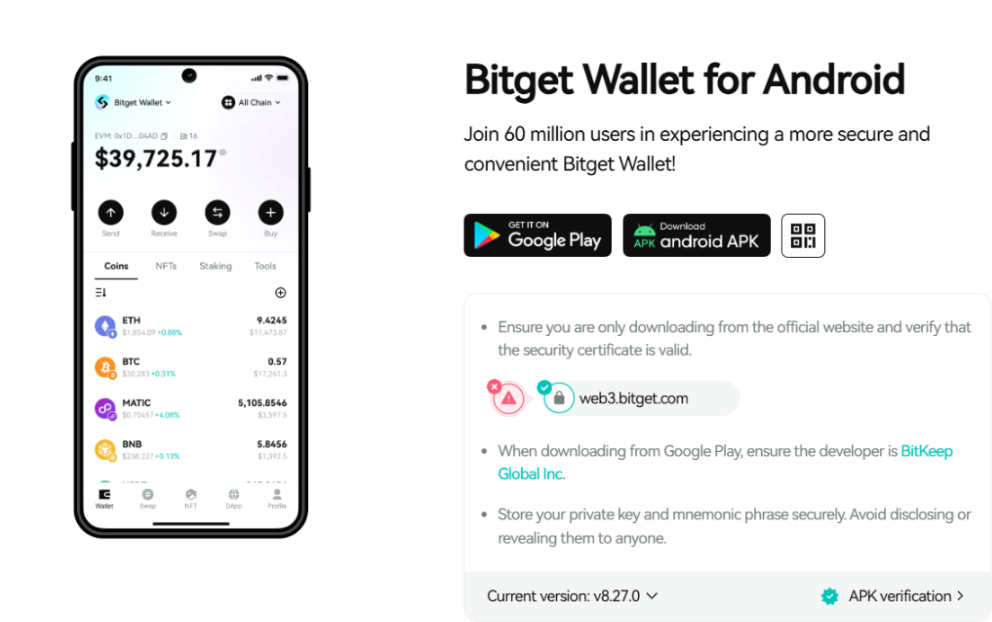
Step 1: Create an Account
If you don't currently have an account, install the Bitget Wallet app. Register by inputting the required details and confirming your identity.
Step 2: Deposit Funds
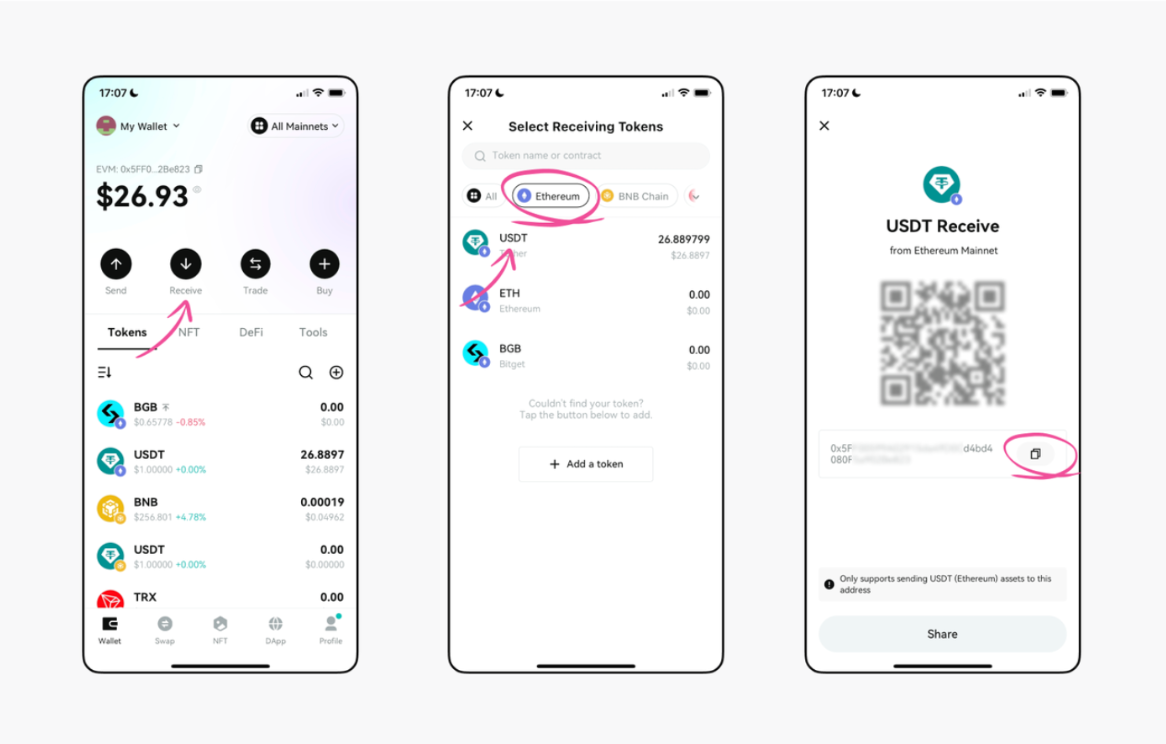
After setting up an account, you must deposit money. You can do this by:
- Transferring Cryptocurrency: Transfer crypto from a different wallet.
- Purchasing Crypto: Utilize a credit or debit card to buy crypto directly from Bitget Wallet, making sure you have sufficient capital for trading American Dollar Reserve (ADR).
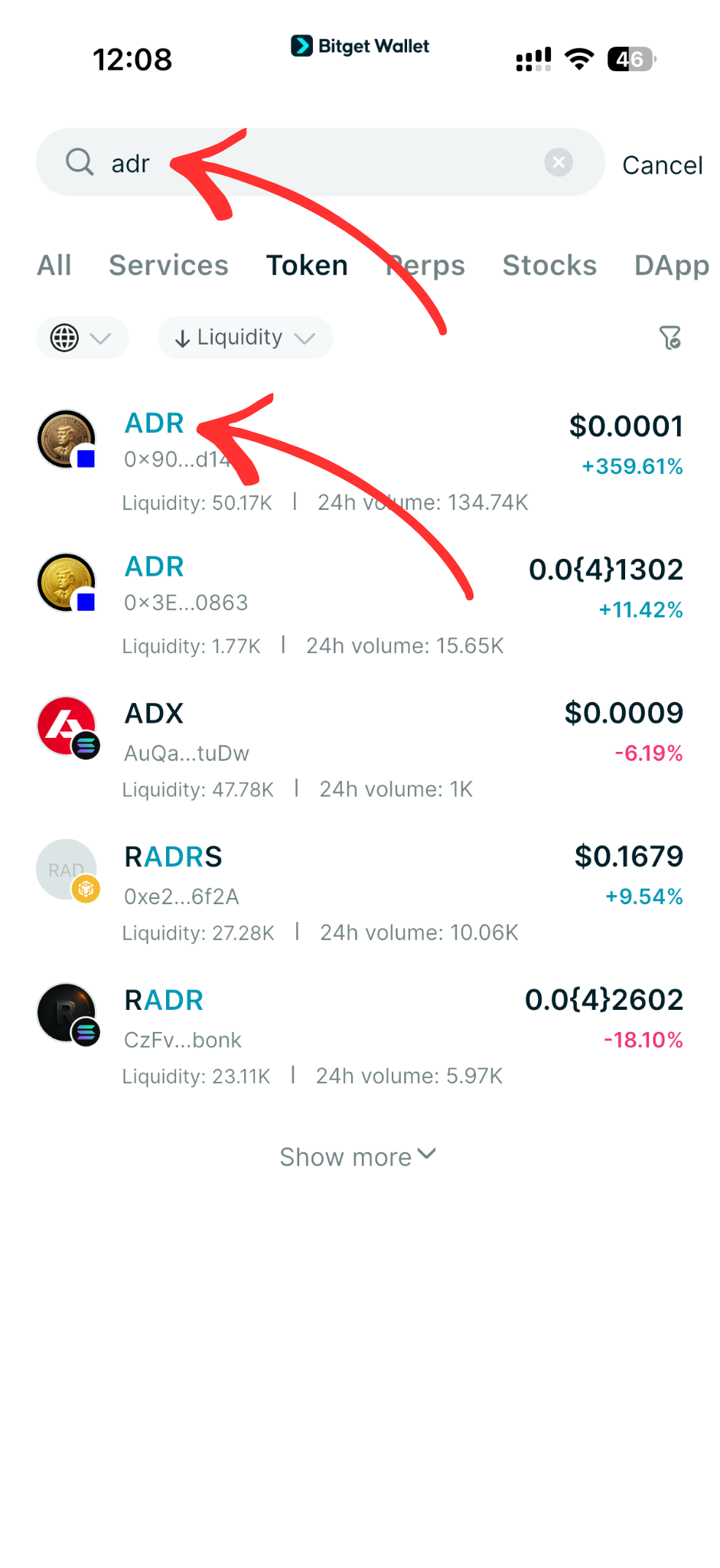
Step 3: Find American Dollar Reserve (ADR)
On the Bitget Wallet platform, go to the market area. Search for American Dollar Reserve (ADR) using the search function. Click on the token to access its trading page.
As this token has not been listed yet, please look at the last contract address sent by the project team upon listing of the token.
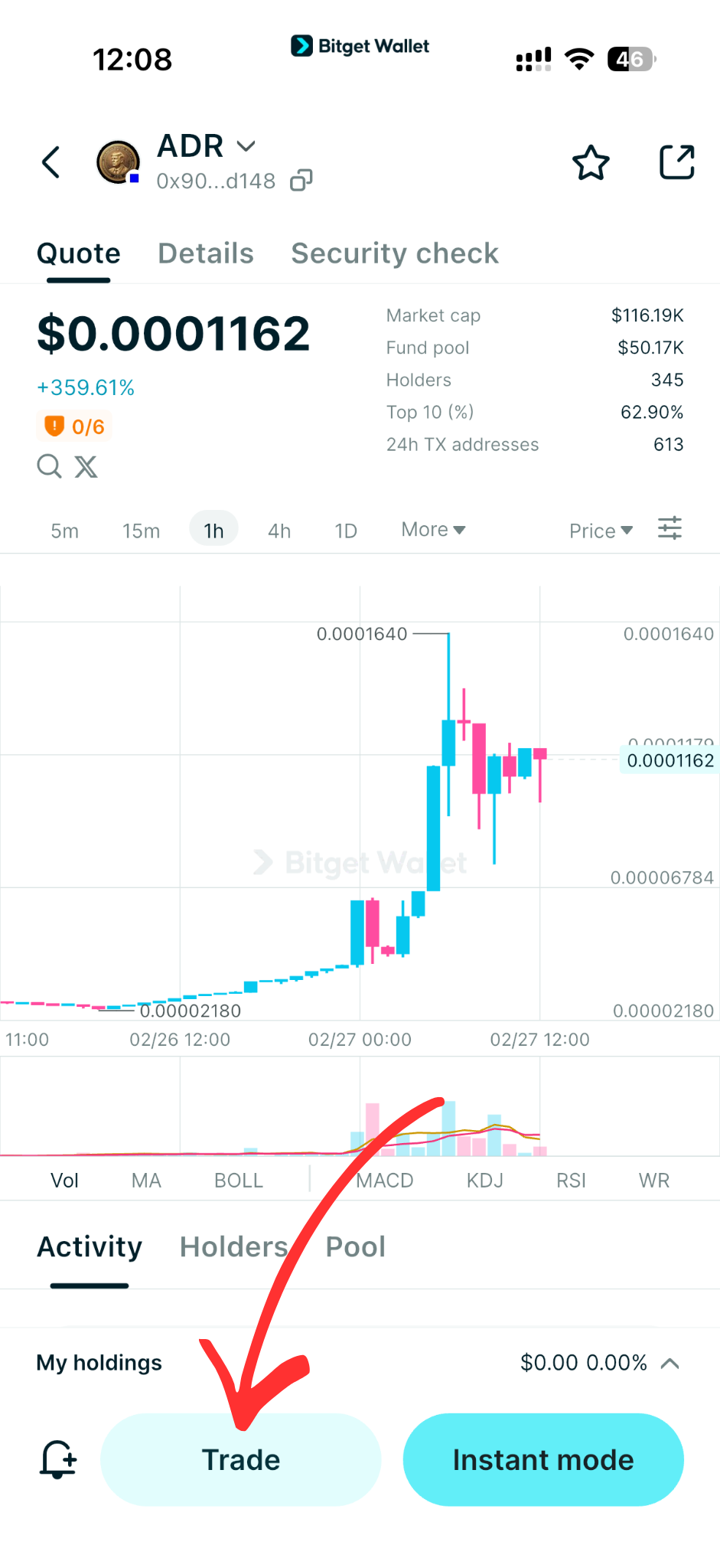
Step 4: Choose Your Trading Pair
Select your trading pair you would like to deal with, for instance, ADR/USDT.
By doing this, you will be able to exchange American Dollar Reserve (ADR) for USDT or any other cryptocurrency.
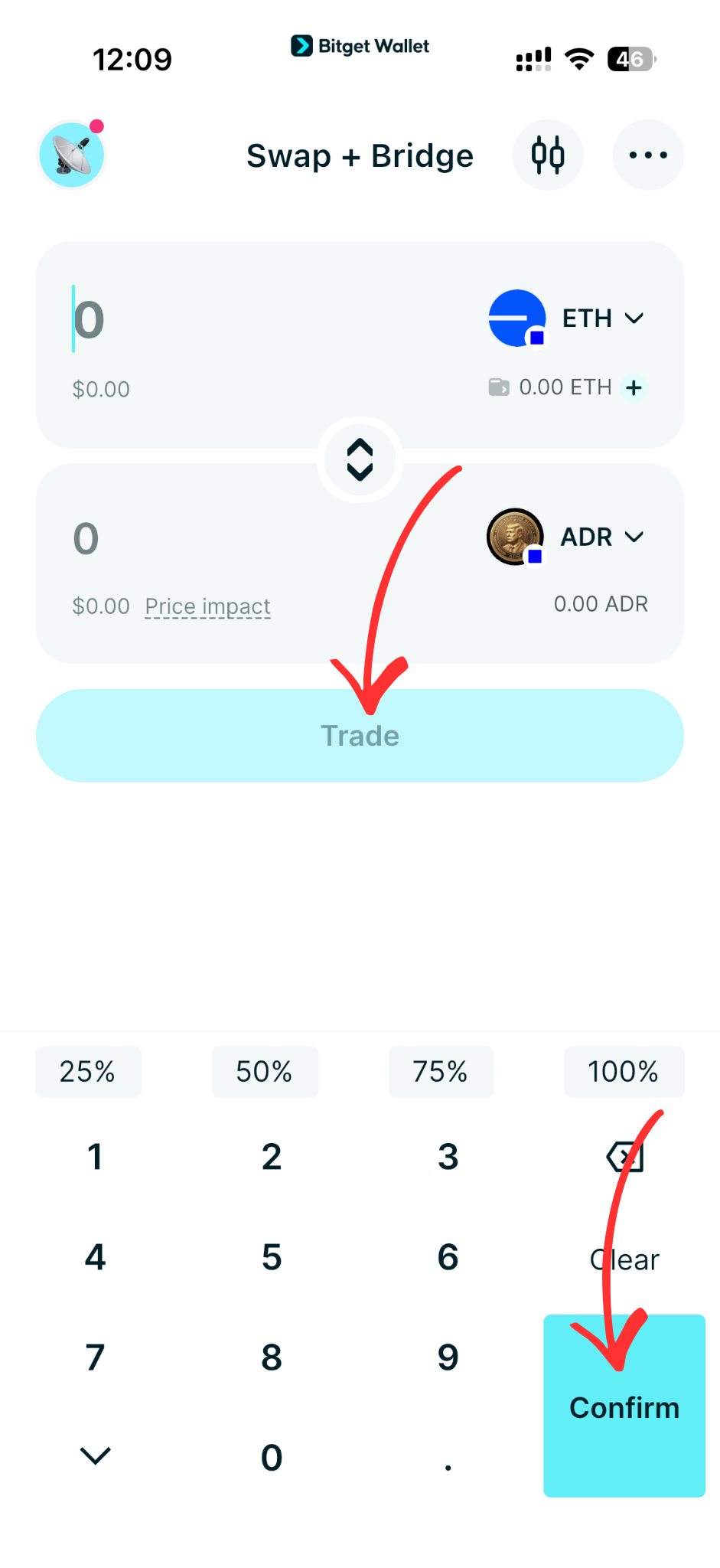
Step 5: Place Your Order
Choose whether to carry out a market order—either buy or sell at the prevailing rate—or place a limit order at your desired price. Fill in the amount of American Dollar Reserve (ADR)you want to exchange, then proceed to confirm in order to complete the trade.
Step 6: Monitor Your Trade
Once you have ordered, you can track the status of your order under "Open Orders." Upon completion of the order, you can view your balance to see the newly purchased American Dollar Reserve (ADR).
Step 7: Withdraw Your Funds (Optional)
If you want to transfer your American Dollar Reserve (ADR) or any other cryptocurrency to another wallet, go to the withdrawal section, provide your wallet address, and confirm the transaction.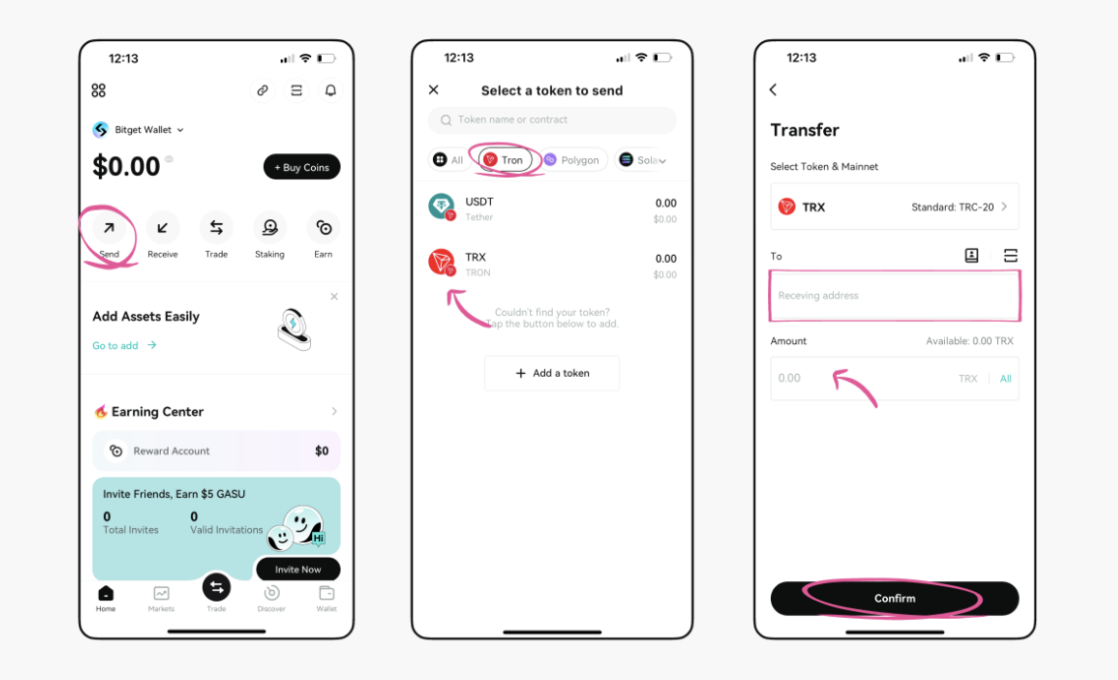
Conclusion
American Dollar Reserve (ADR) is a Solana-based token whose price is driven by liquidity, trading demand, and market sentiment rather than a guaranteed USD reserve mechanism. If you’re considering ADR, the smart approach is to verify the correct contract, watch liquidity conditions, and treat it like a higher-volatility asset where risk control matters as much as upside.
Using Bitget Wallet to buy and manage ADR can improve execution and safety: you keep self-custody, access seamless on-chain swaps, and benefit from a smoother multi-chain experience built for active traders. For memecoin-style markets, cost control is also a real edge—Bitget Wallet supports zero-fee trading on memecoins and RWA U.S. stock tokens, helping you reduce friction while staying flexible across opportunities.
Manage all your tokens in one beginner-friendly app – download Bitget Wallet today.
Sign up Bitget Wallet now - grab your $2 bonus!
FAQs
1. What is American Dollar Reserve (ADR)?
American Dollar Reserve token (ADR) is a Solana-based crypto token (an SPL token) that trades via on-chain markets, meaning its price is determined by liquidity and demand rather than a guaranteed redemption model.
2. Is American Dollar Reserve (ADR) a stablecoin pegged to USD?
Not necessarily. Despite the “dollar reserve” name, you shouldn’t assume it’s 1:1 USD-backed unless the project provides verifiable collateral and redemption details.
3. What blockchain is American Dollar Reserve (ADR) on?
ADR is on Solana, using the SPL token standard.
4. What is ADR used for?
ADR is mainly used for on-chain trading/swapping, wallet transfers, and—where available—liquidity provision in pools (with standard LP risks).
5. How do I verify the official ADR token contract (mint address)?
Use a trusted Solana explorer/token tracker and confirm the exact mint address before swapping, because copycat tokens can exist.
6. Is American Dollar Reserve (ADR) a memecoin?
ADR is generally categorized as a narrative-driven Solana token rather than a traditional utility token. Its market value is influenced largely by liquidity and trader demand.
Risk Disclosure
Please be aware that cryptocurrency trading involves high market risk. Bitget Wallet is not responsible for any trading losses incurred. Always perform your own research and trade responsibly.